Phone
(773) 257-3147

A beautiful garden doesn’t have to require constant watering, pruning, weeding, and upkeep. With thoughtful planning and the right combination of plants, mulch, irrigation, and hardscaping, you can create an outdoor space that looks great while reducing the amount of work it requires.
Here are some practical recommendations for designing a low-maintenance garden.
1. Choose Hardy, Low-Maintenance Plants
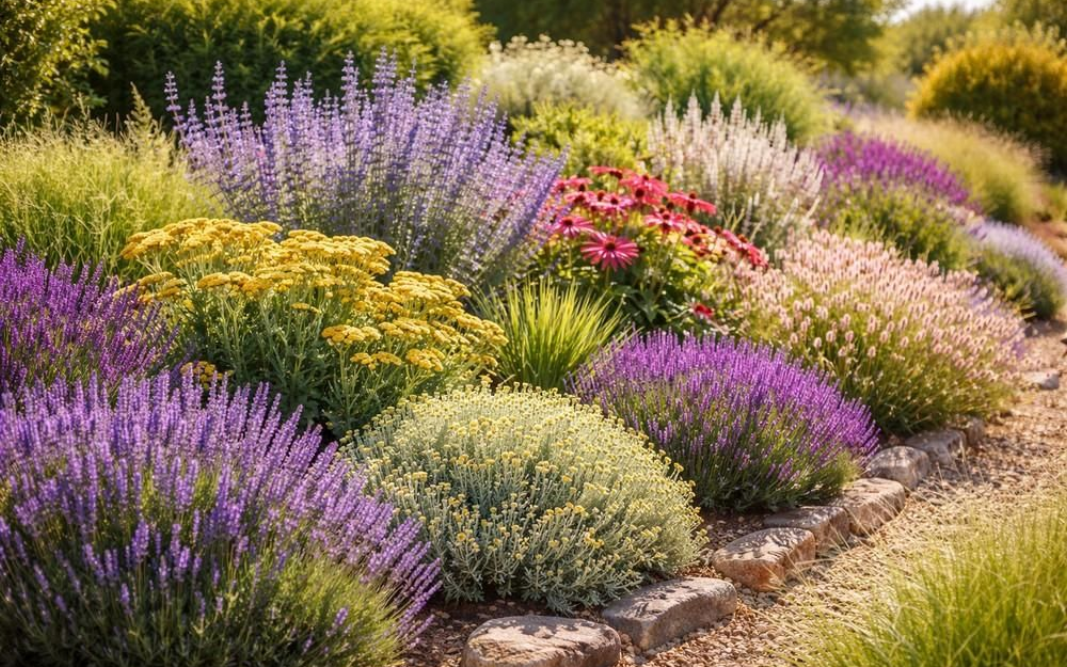
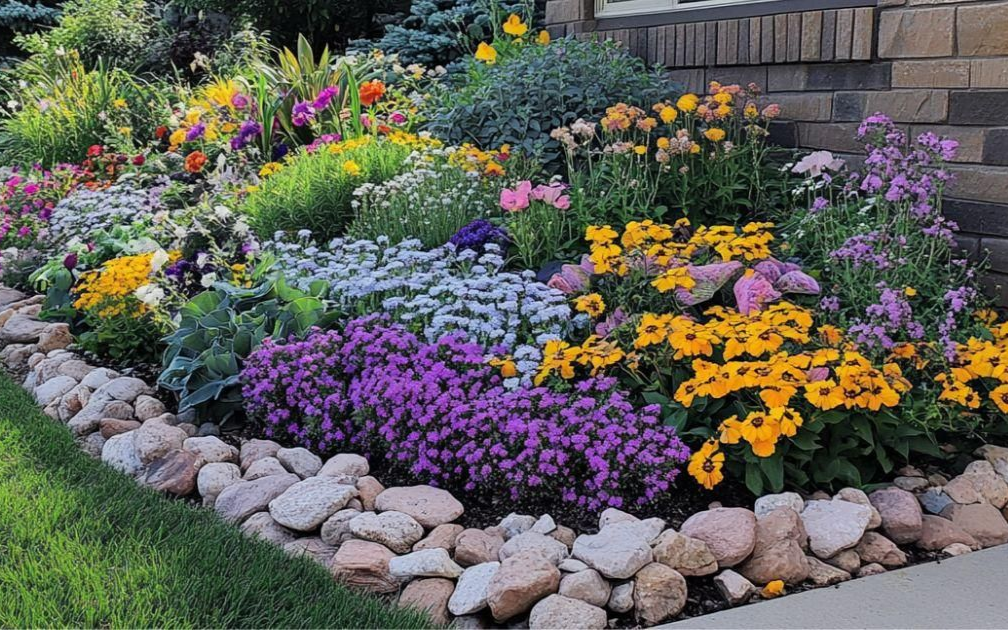
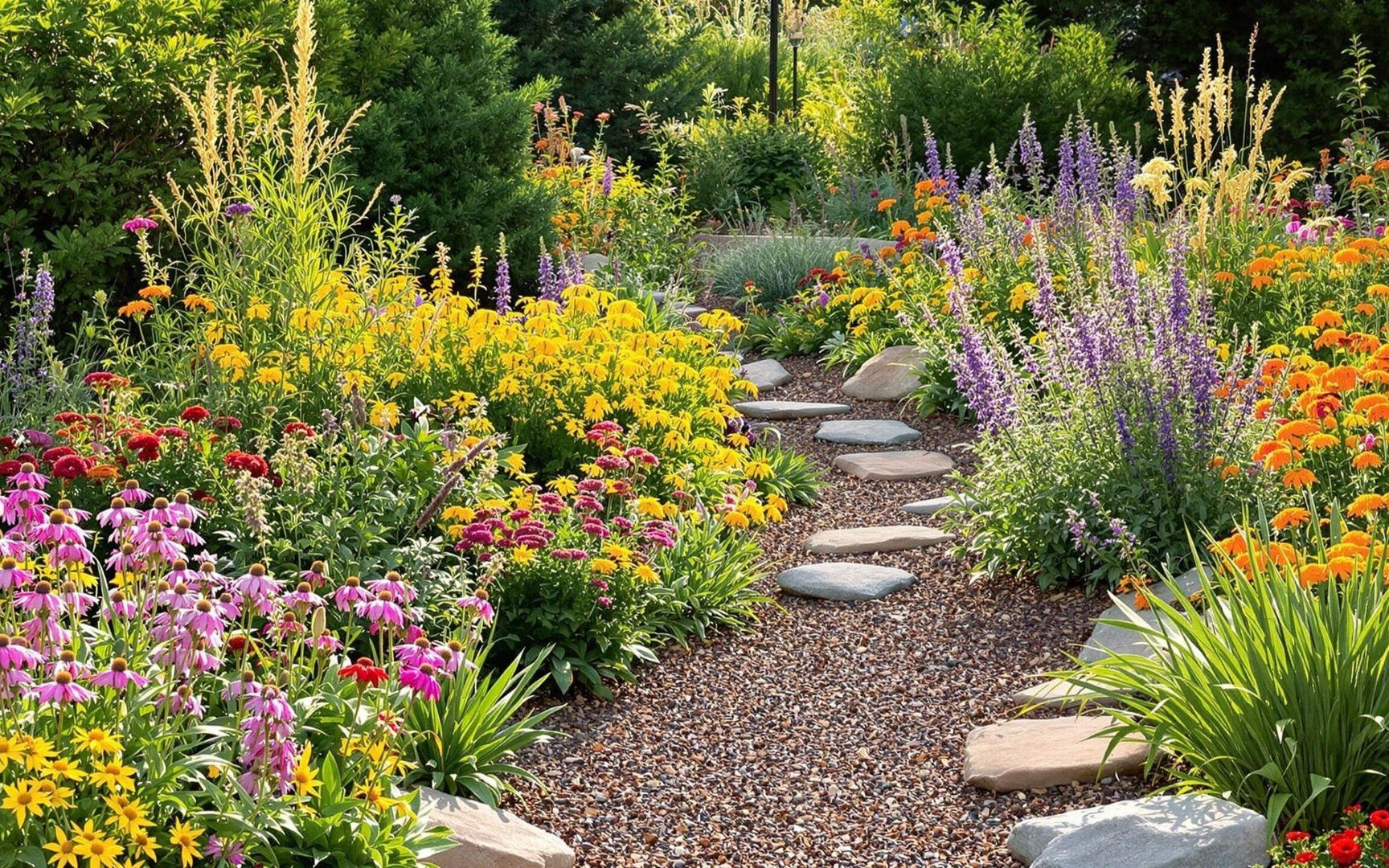
Start by selecting plants that are well-suited to your local climate, soil, and available sunlight. Native, drought-tolerant, and hardy perennial plants are often excellent choices because they can require less supplemental watering and attention once established.
Recommendation:
Group plants with similar water and sunlight requirements together. This makes routine watering and care much easier.
2. Use Mulch to Reduce Weeds
Mulch is one of the simplest ways to reduce garden maintenance. It helps cover exposed soil, suppress weeds, and retain moisture around plants.
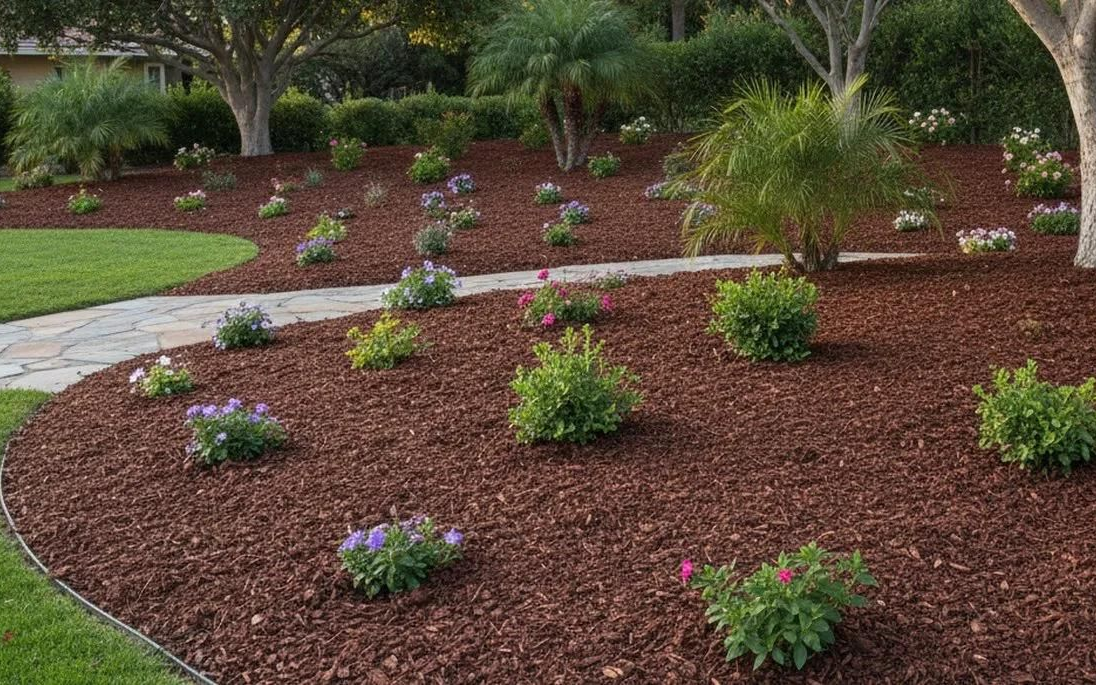
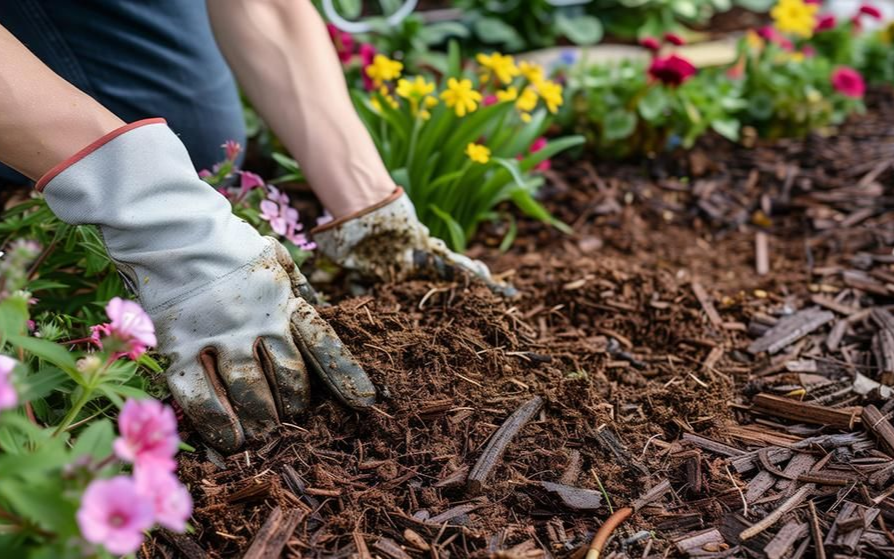
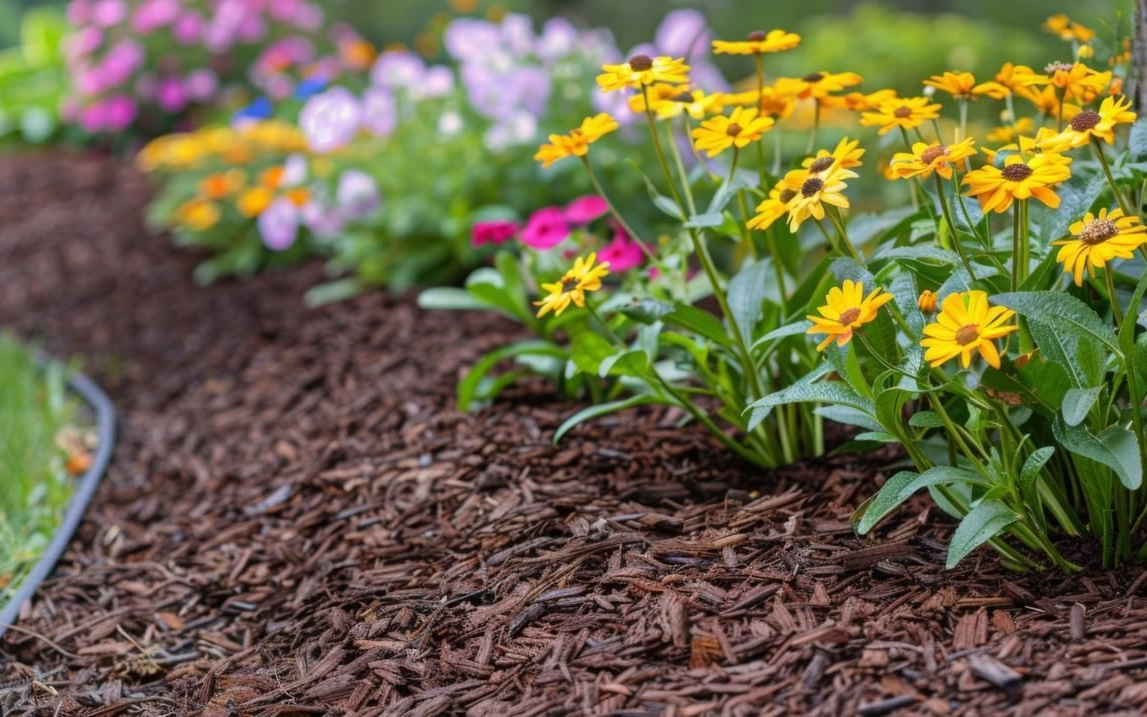
Recommendation: Apply an appropriate layer of mulch around established plants while keeping it slightly away from plant stems and trunks.
3. Install Efficient Irrigation
A well-designed irrigation system can save time and help prevent overwatering. Drip irrigation delivers water directly toward plant root zones, making it particularly useful for garden beds.
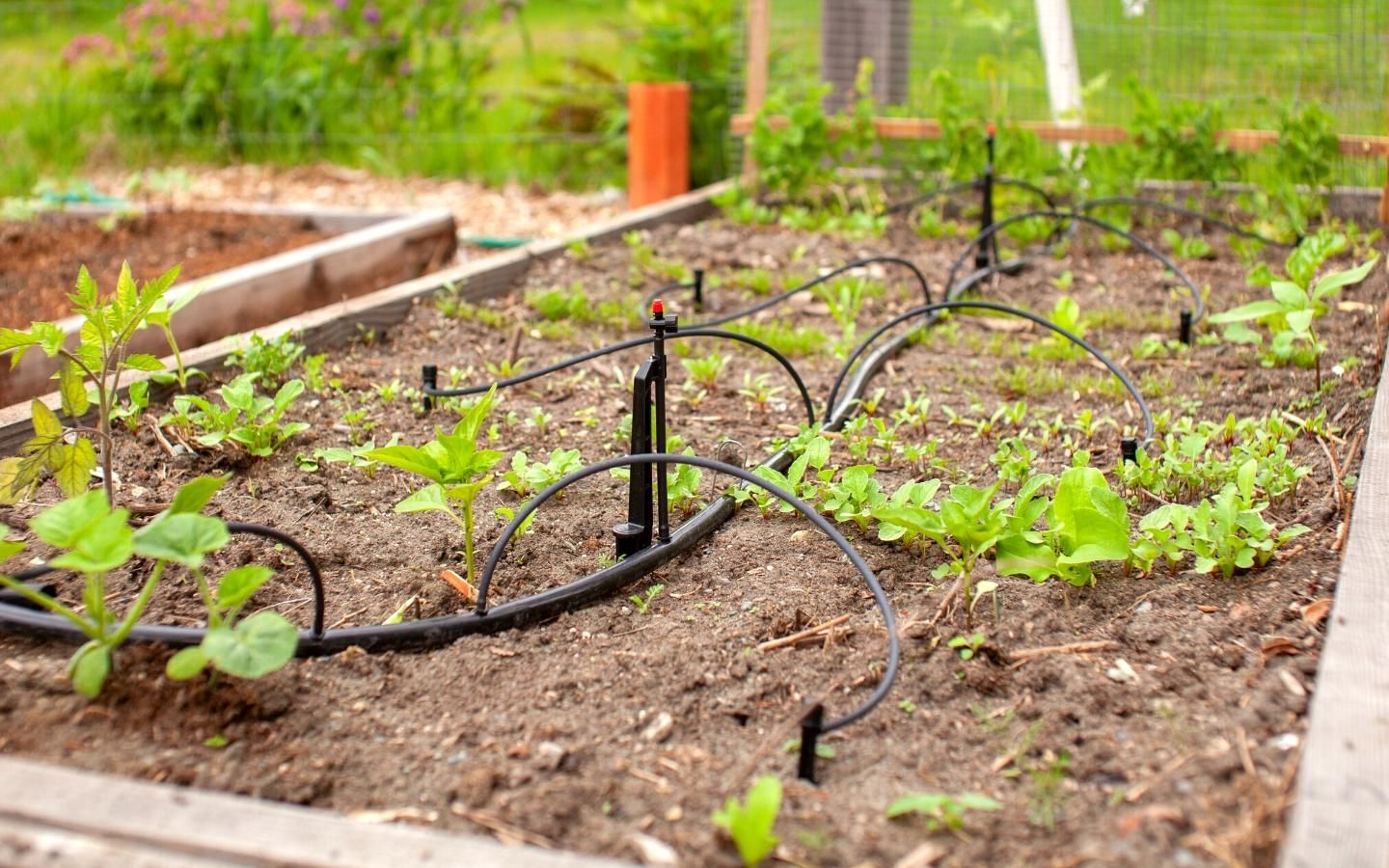
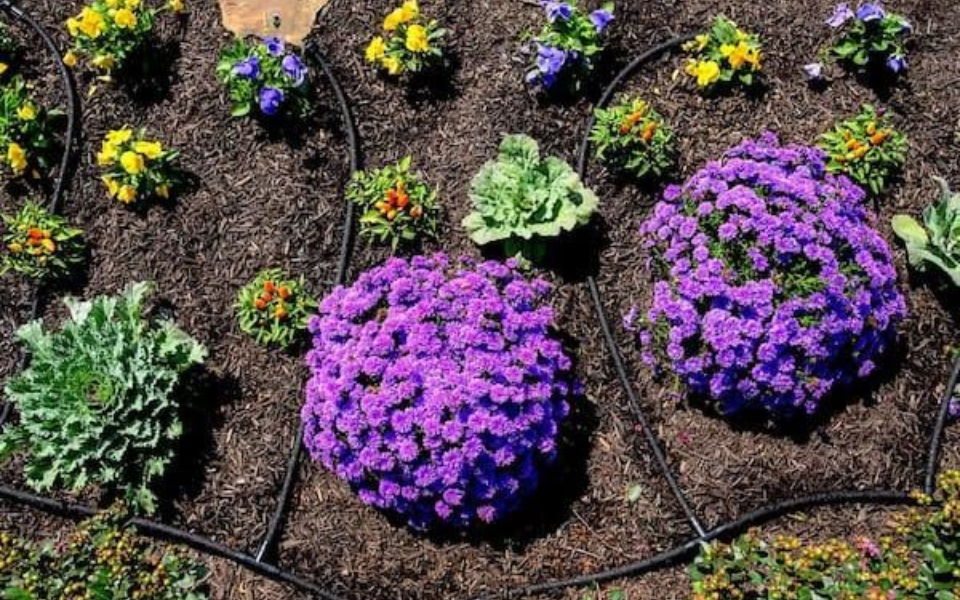
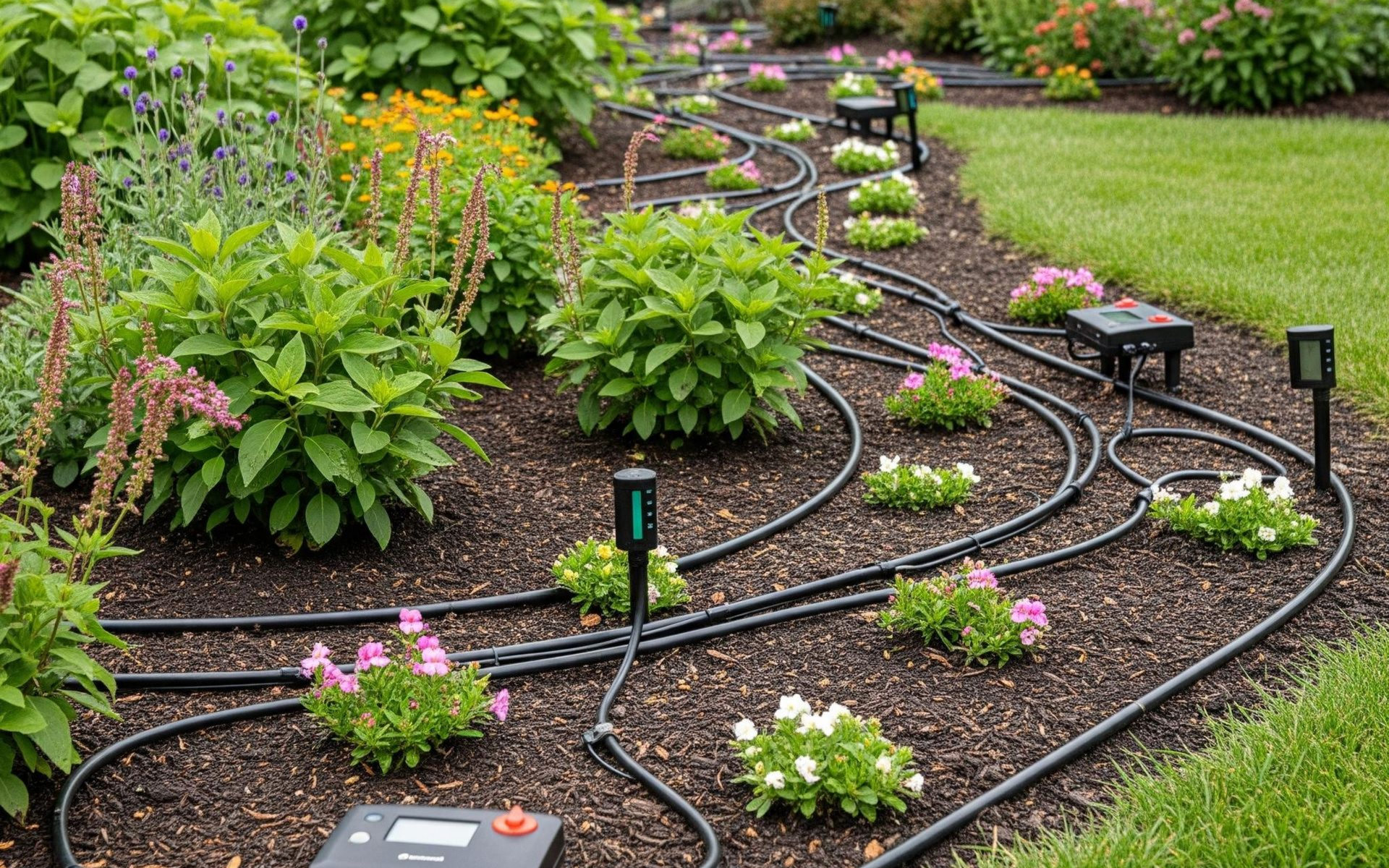
Recommendation: Consider drip irrigation or soaker hoses for planting beds and use timers where appropriate to make watering more consistent.
4. Keep the Garden Design Simple
A complicated garden with dozens of plant varieties can require significantly more attention. Instead, use a simple layout with repeating plants, defined borders, and a manageable color palette.
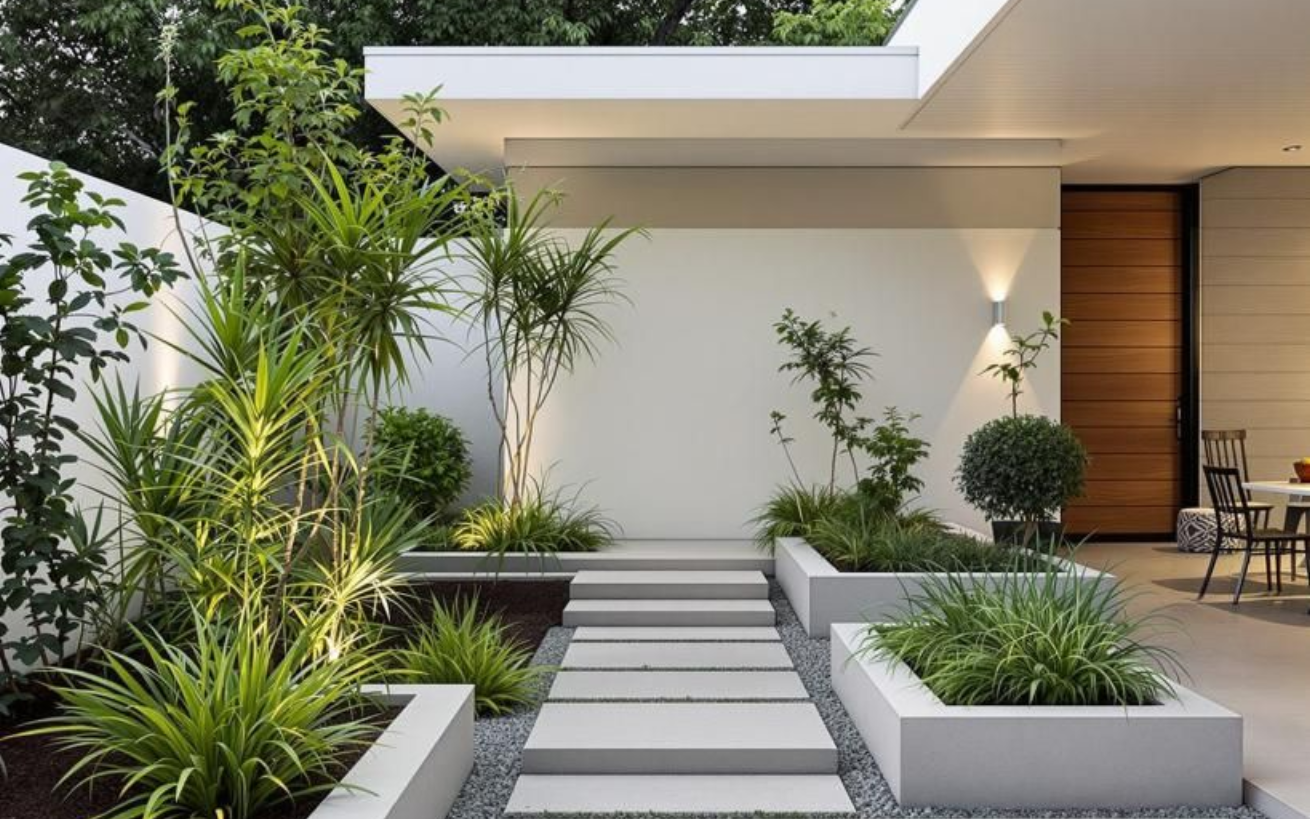
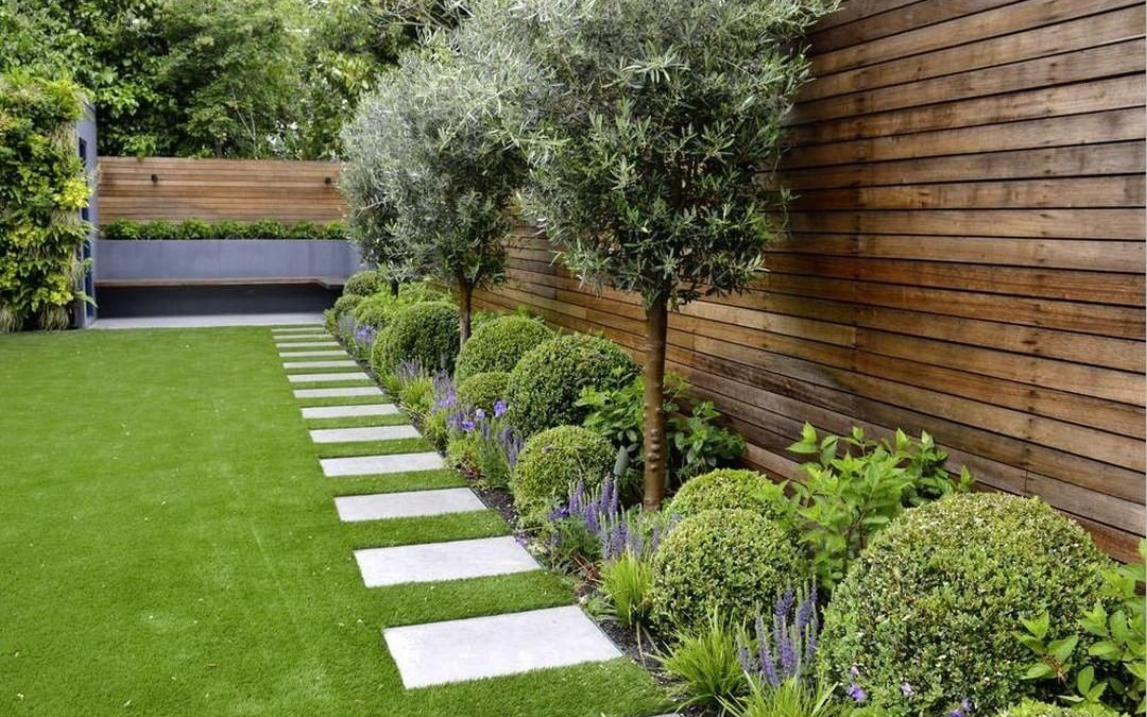
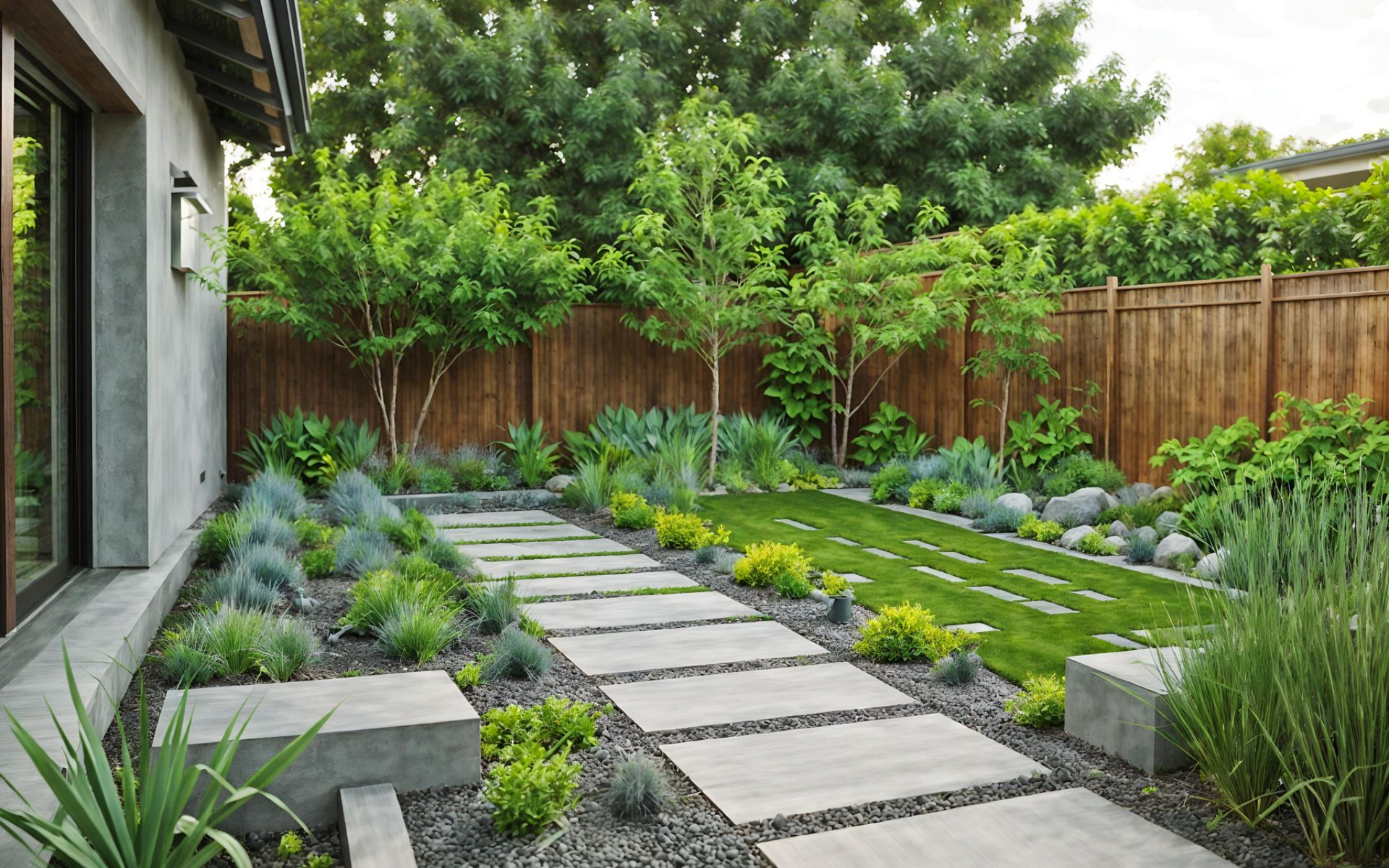
Recommendation: Repeat a few reliable plant varieties throughout the landscape. This creates a cohesive appearance while simplifying maintenance.
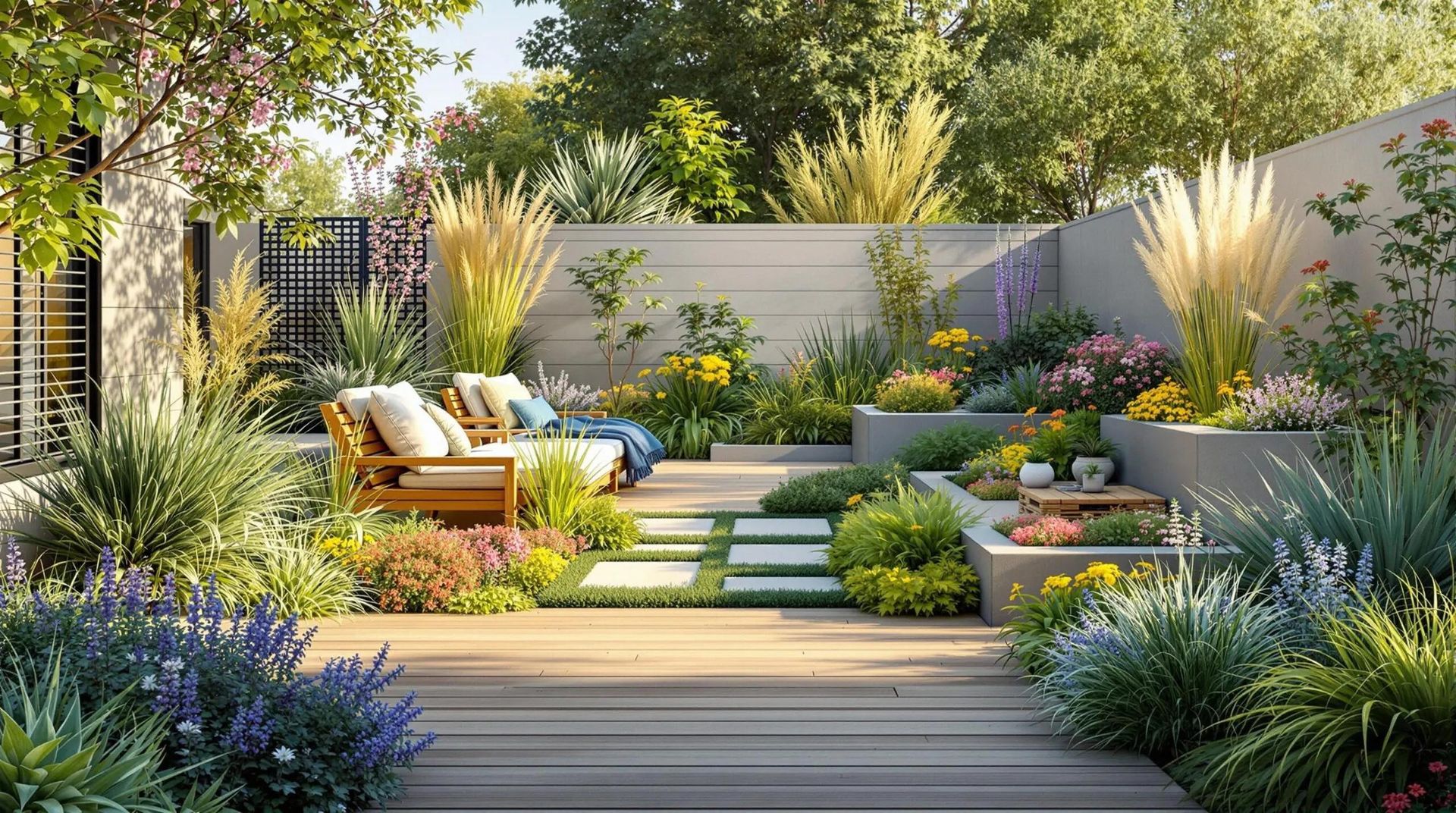
5. Incorporate Hardscaping
Adding stone pathways, decorative gravel, pavers, or patios can reduce the amount of lawn and planting area that needs regular maintenance. Hardscaping can also add structure and visual interest to the landscape.
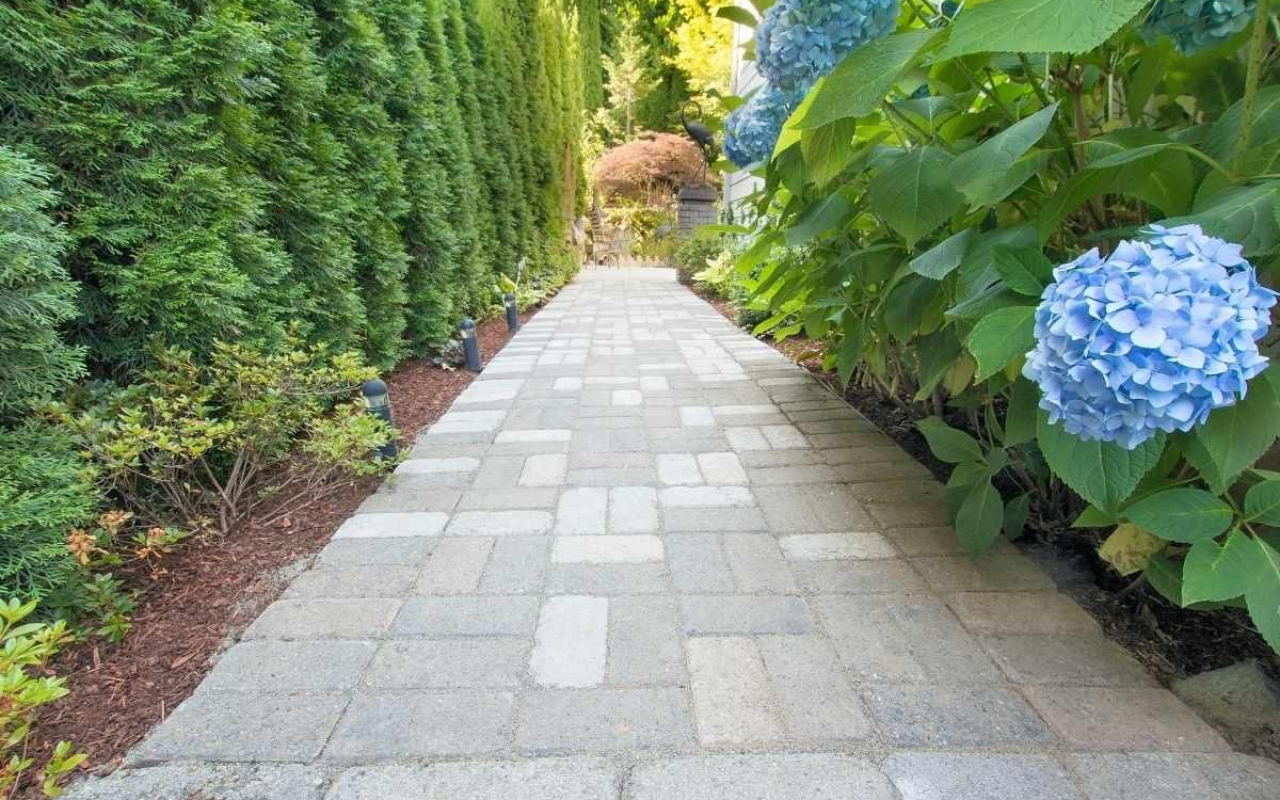
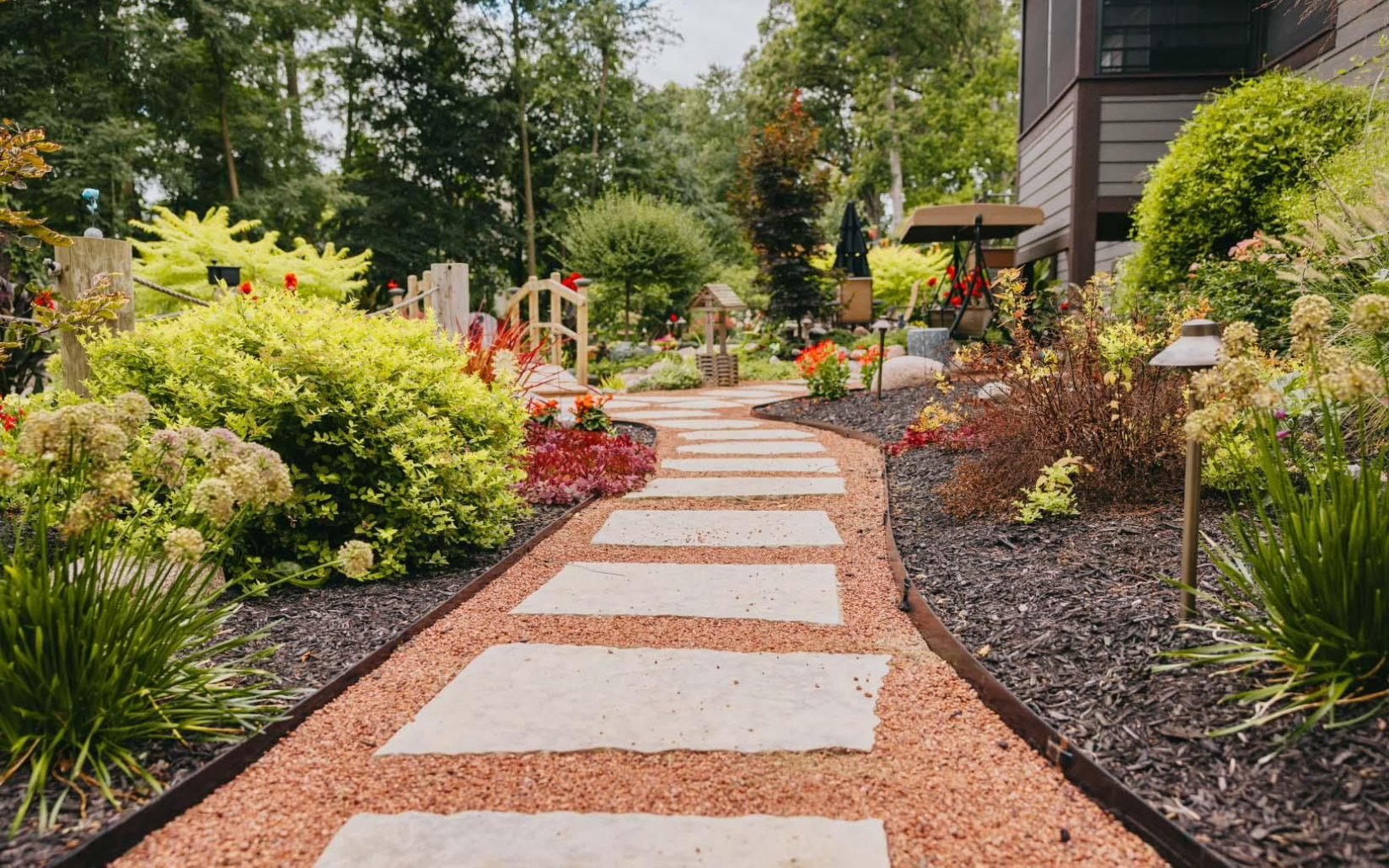
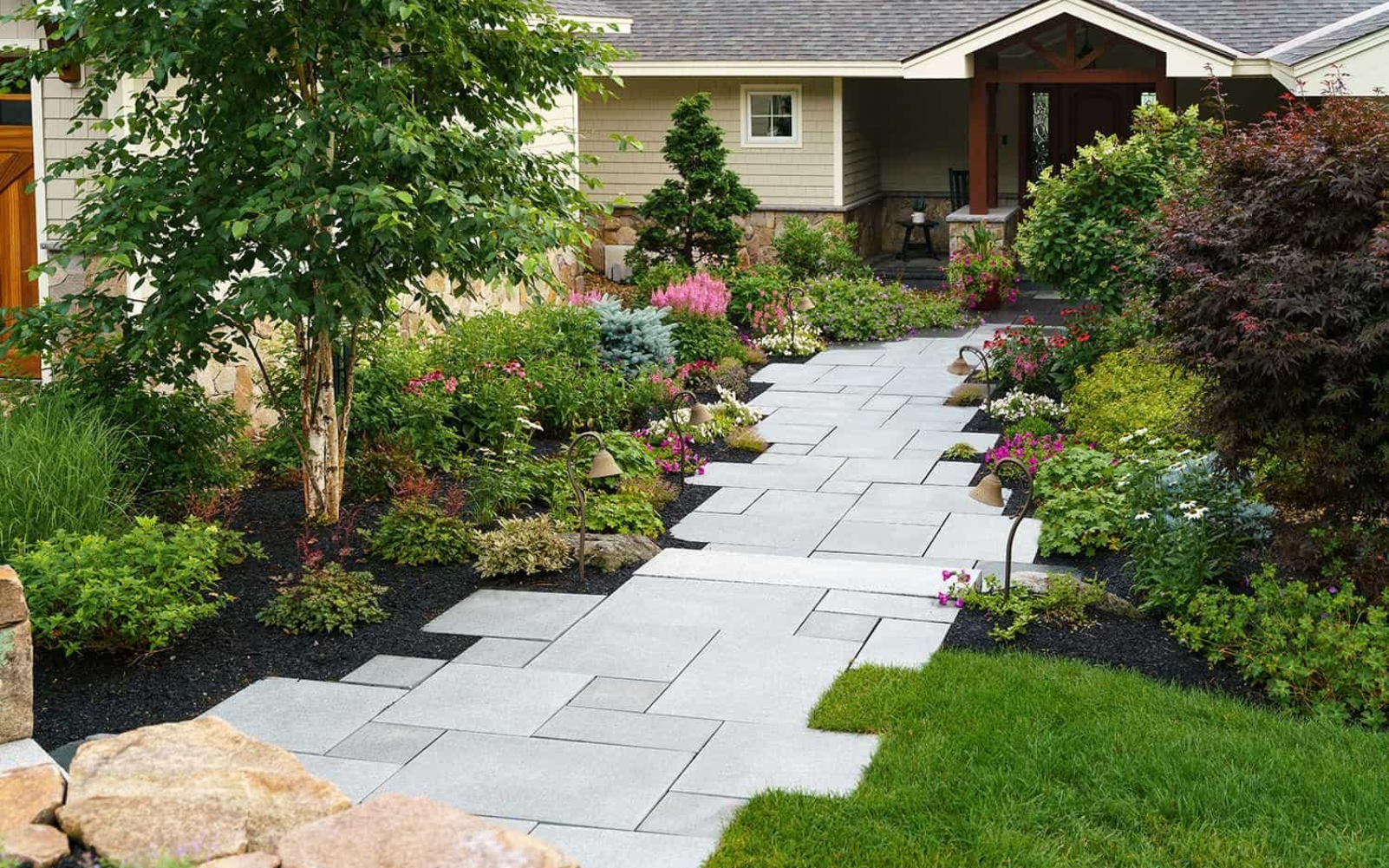
Recommendation: Use durable materials and create clearly defined pathways and borders to make mowing, trimming, and general garden maintenance easier.
6. Add Low-Maintenance Ground Covers
Ground-cover plants can fill open areas, add texture, and help reduce exposed soil where weeds can establish. Some varieties are particularly useful in areas where maintaining traditional lawn is difficult.
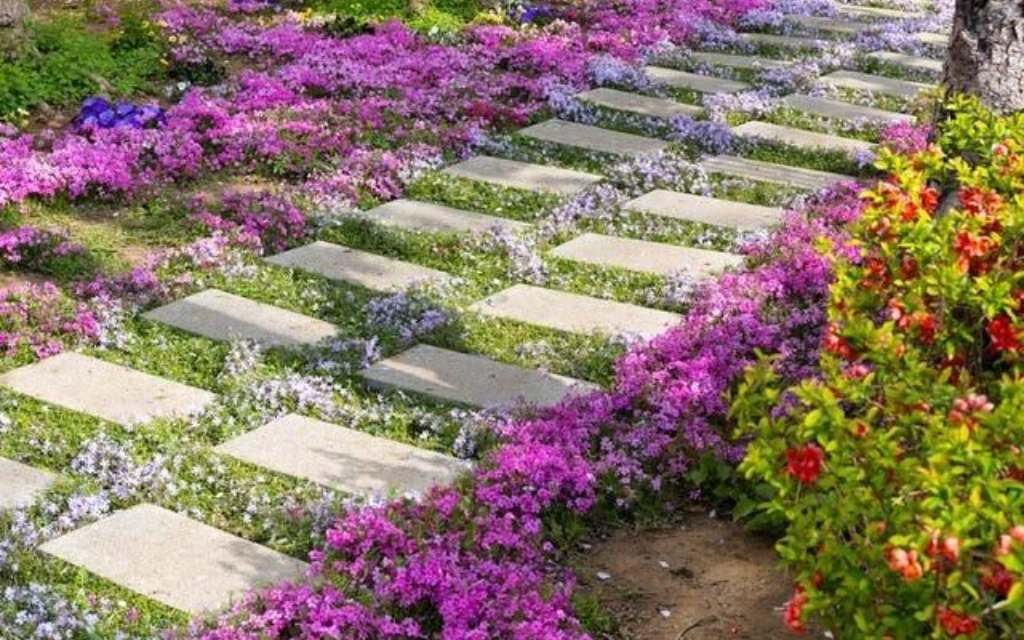
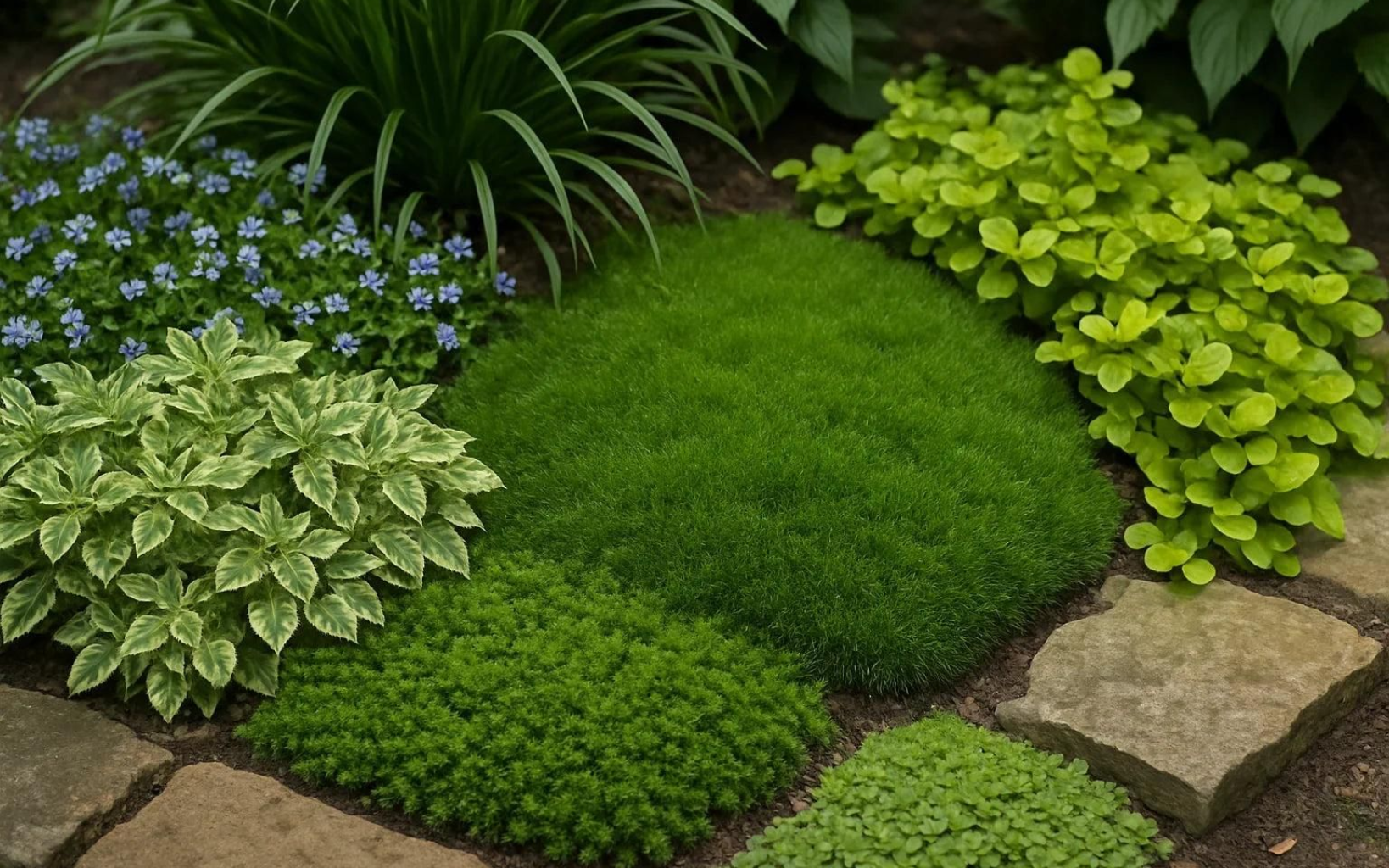
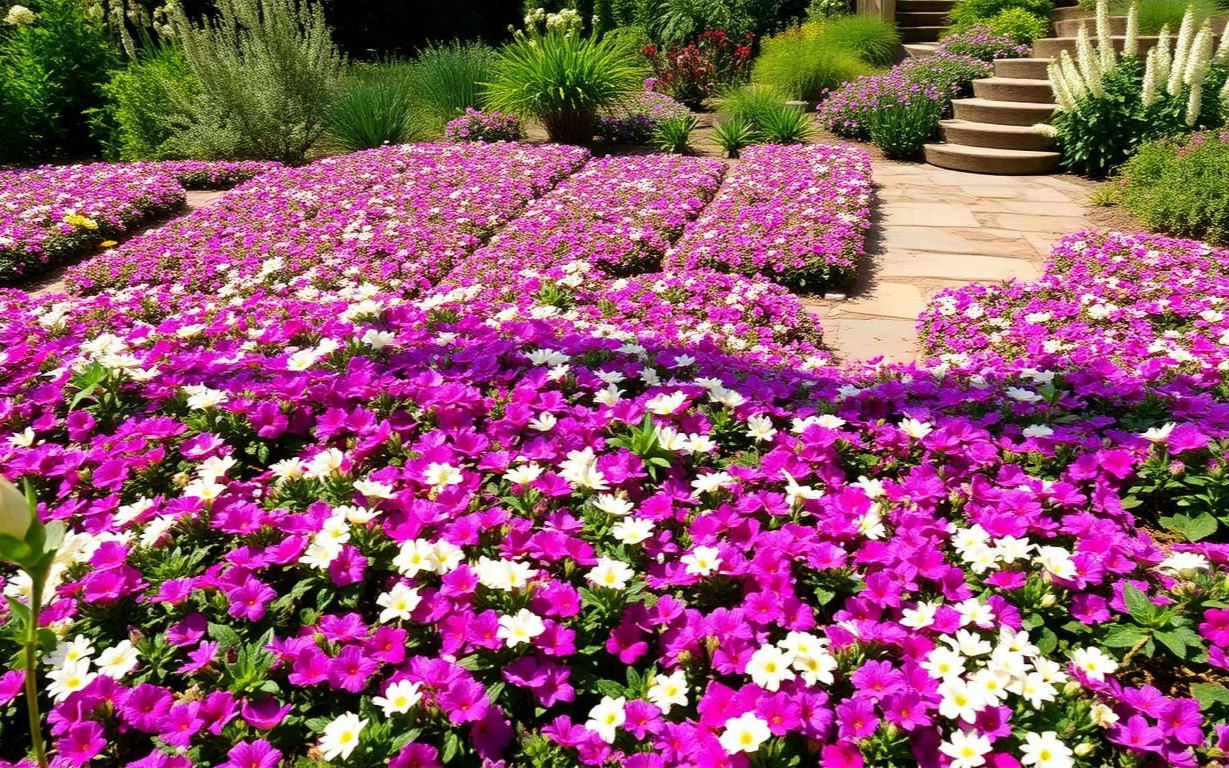
Recommendation: Choose ground covers based on your site's sunlight, soil, moisture, and climate conditions rather than selecting plants based solely on appearance.
Recommendations from 606 Land & Snow
A successful low-maintenance garden starts with planning before planting. Consider your property's sunlight, drainage, soil conditions, available water, and the amount of time you realistically want to spend maintaining the garden.
At 606 Land & Snow, we can help with lawn care and landscape maintenance, including weeding, garden cleanup, planting, mulching, trimming, edging, and ongoing lawn and garden care.
Whether you're refreshing an existing garden or creating a completely new landscape, our goal is to help you maintain an outdoor space that is beautiful, functional, and easier to manage.
A low-maintenance garden doesn't mean sacrificing beauty. By choosing the right plants, using mulch, improving irrigation, simplifying your design, and incorporating practical hardscaping, you can create a landscape that looks beautiful without demanding constant attention.
Let 606 Land & Snow help bring your landscape to life.
Choosing
606 Land & Snow means choosing a team that treats your property like their own—carefully, professionally, and with long-term results in mind.
Get your estimate today at 606 Land & Snow
📍 Serving: Chicago & surrounding suburbs • 📞 (773) 257-3147 (773) 917-1102
✉️ info@606landsnow.com
• 🌐 606landsnow.com
Previous blog topics below >>
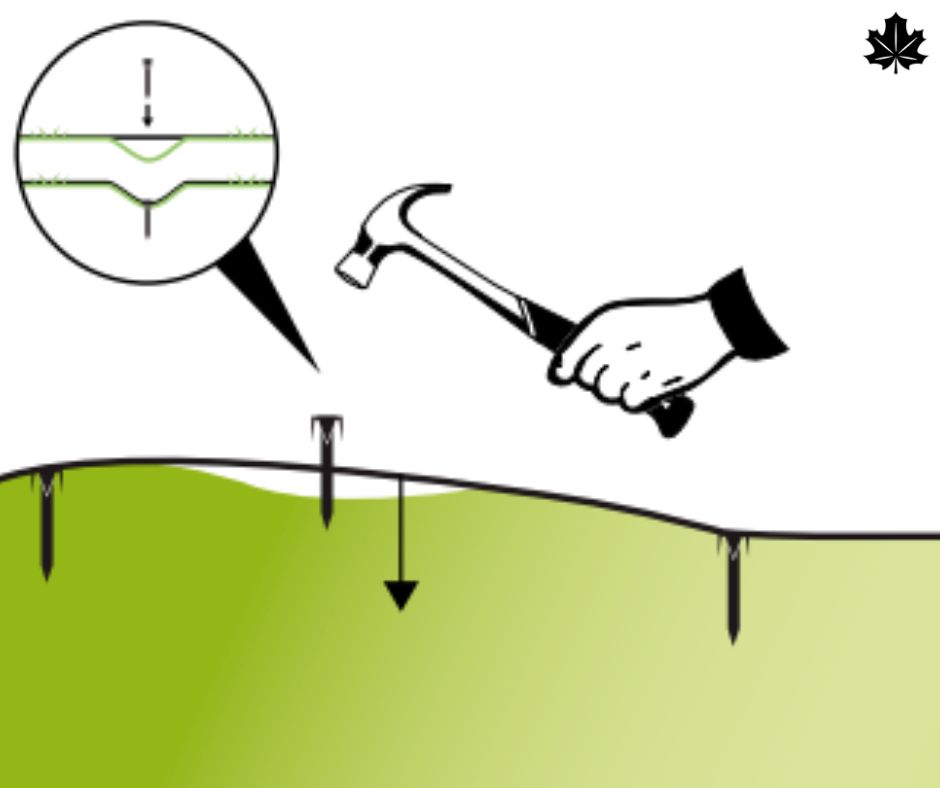
Most robotic lawnmowers require professional installation and setup of the device and apps. Wireless robots are available but having a wire is the most common way these are installed. While it seems pretty simple to put a wire on your yard's perimeter, it is quite difficult and homeowners are encouraged to hire a professional. There are various things that make it difficult to install correctly which are explained below.
Let us know if you have any questions or are looking for recommendations.


606 Property Services (formerly 606 Land & Snow) provides reliable property services for homeowners across Chicago and the surrounding suburbs.

Phone
(773) 257-3147

info@606landsnow.com

Service Area
Chicago & Surrounding Areas

Business Hours
Mon-Sunday: 24/7