Phone
(773) 257-3147

As temperatures begin to drop, preparing your landscape for winter is just as important as maintaining it throughout the growing season. One often-overlooked task is properly shutting down your sprinkler or irrigation system before freezing temperatures arrive.
Water left inside irrigation pipes, valves, or sprinkler components can freeze, expand, and potentially cause costly damage. Taking the time to winterize your system can help protect your irrigation equipment and ensure it is ready to operate when spring returns.
At 606 Land & Snow, we help homeowners and property managers prepare their landscapes for every season with professional lawn care, landscaping, seasonal cleanup, and snow removal services.
Know When to Shut Down Your Sprinkler System
Timing is important when preparing an irrigation system for winter. Ideally, your sprinkler system should be shut down before the ground begins to freeze and before sustained freezing temperatures arrive.
In Chicago and surrounding suburbs, fall weather can change quickly. Waiting until after a hard freeze may increase the risk of water remaining in exposed irrigation components.
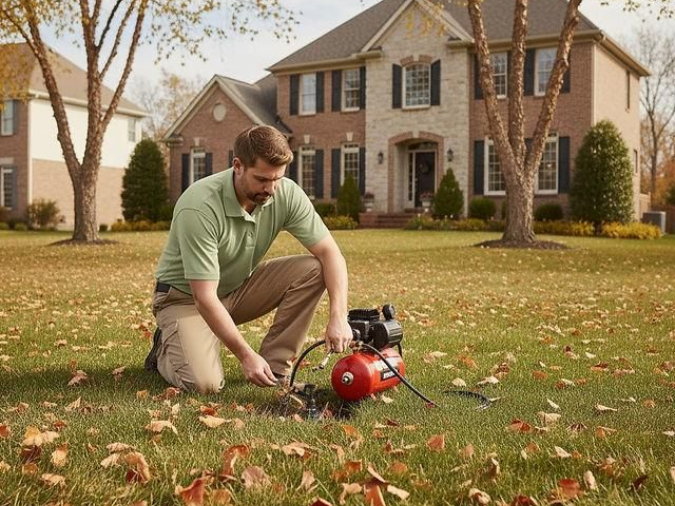
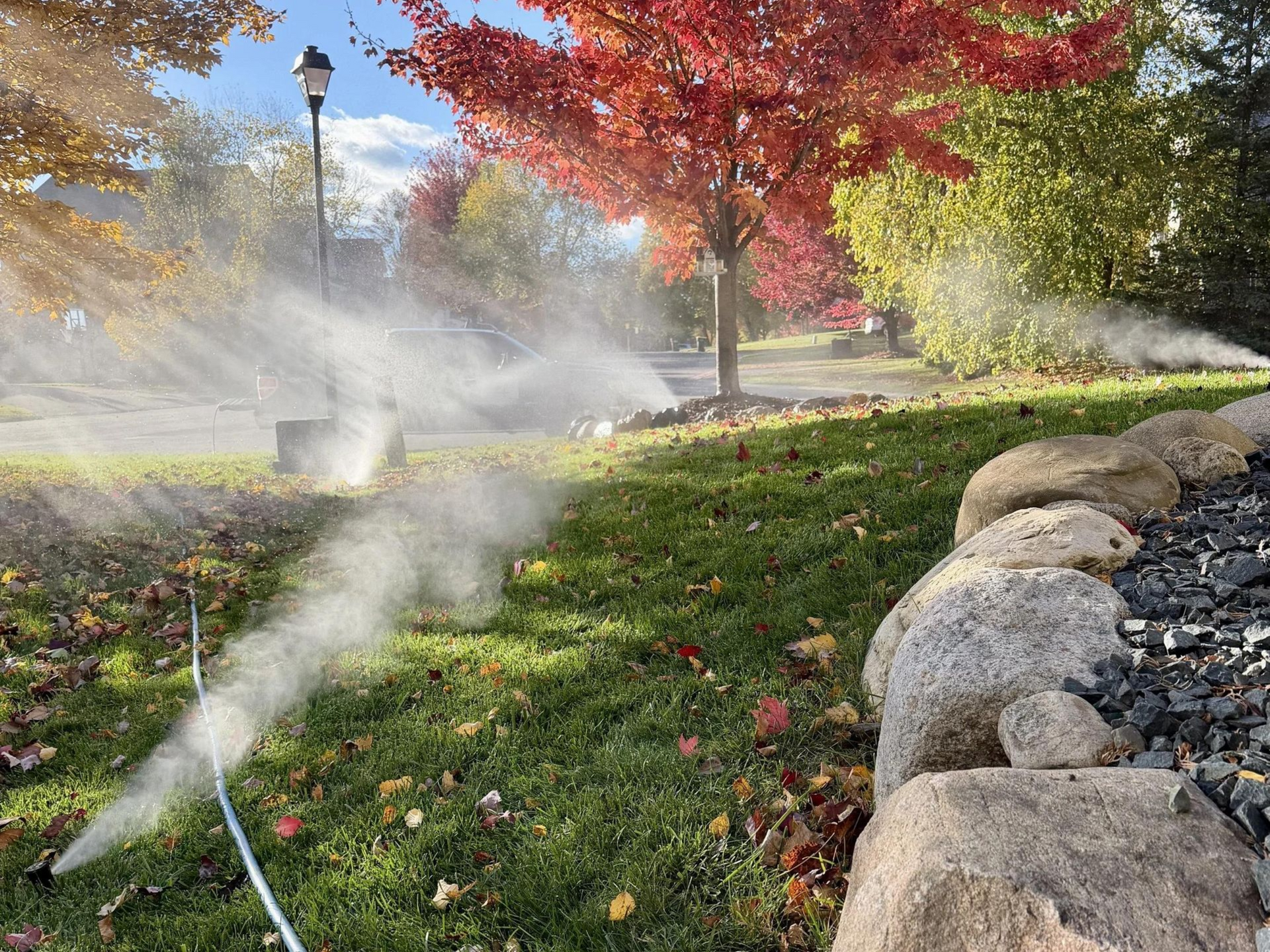
Recommendation: Keep an eye on the seasonal forecast and plan your sprinkler shutdown before temperatures consistently reach freezing overnight.
Turn Off the Main Water Supply
The first step in winterizing most sprinkler systems is shutting off the water supply that feeds the irrigation system.
Locate the irrigation shut-off valve and turn off the water supply. Some systems have a dedicated shut-off valve near the backflow prevention device or where the irrigation line connects to the home's plumbing.
Once the supply is turned off, the system can be prepared for draining.
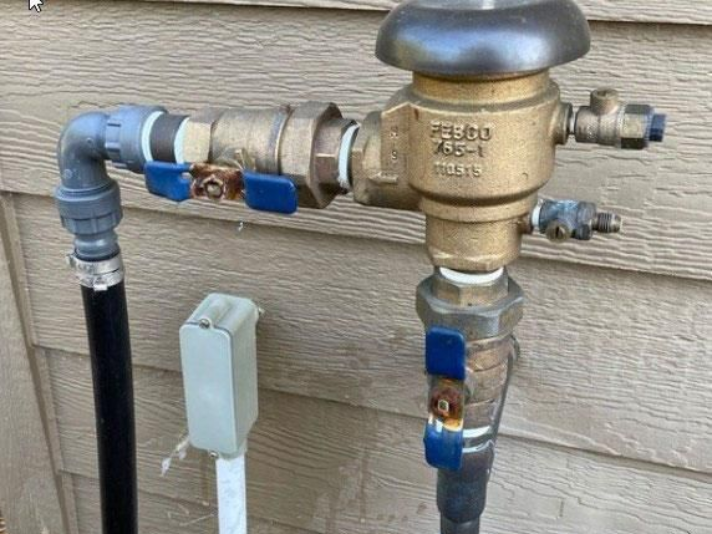
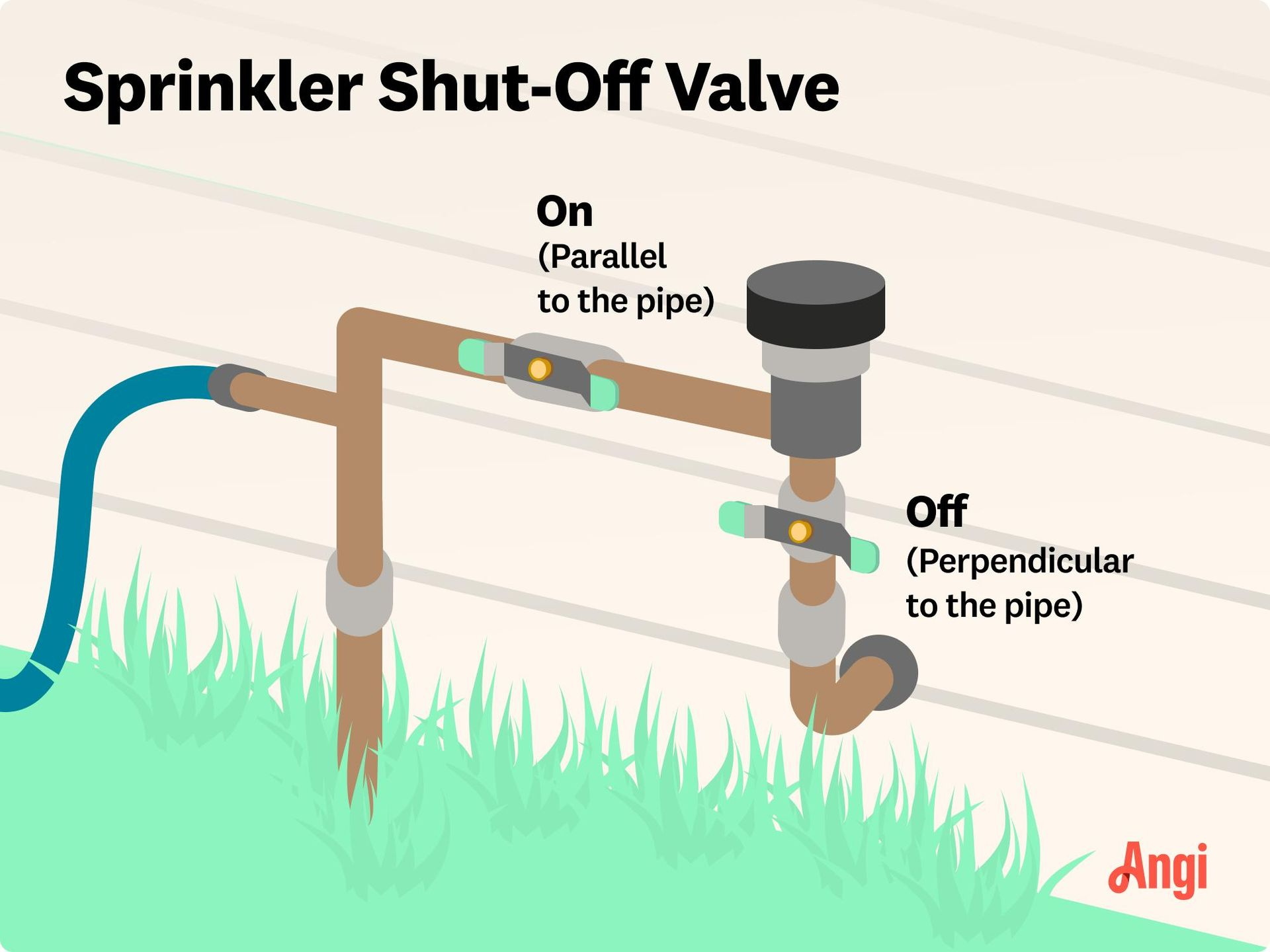
Important: If you're unsure which valve controls your irrigation system, consult a qualified irrigation professional rather than turning off the wrong water supply.
Drain Water From the Irrigation System
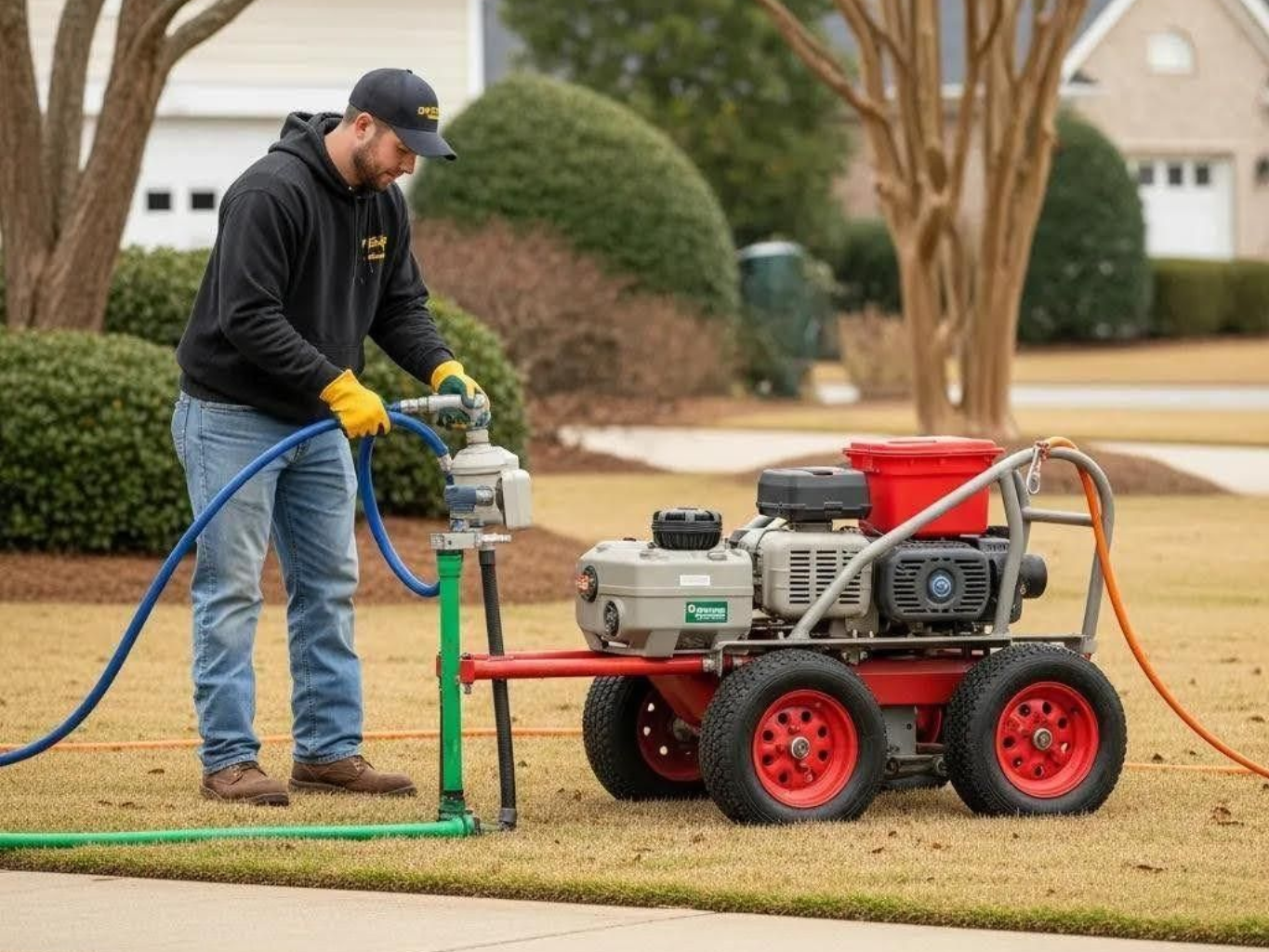
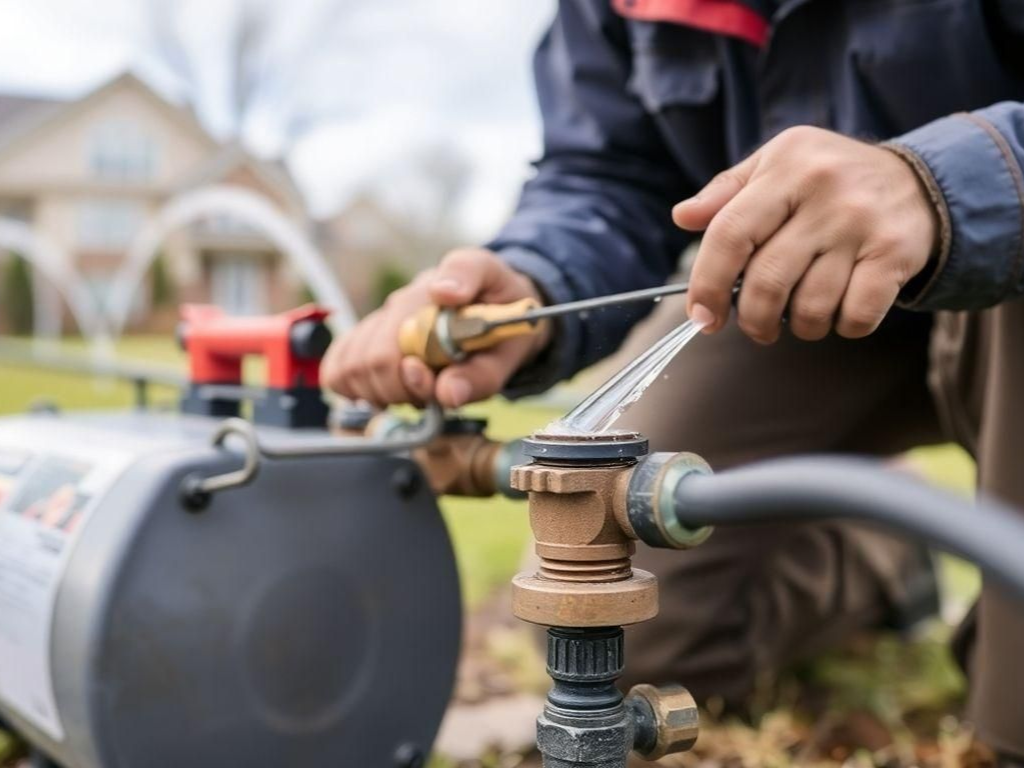
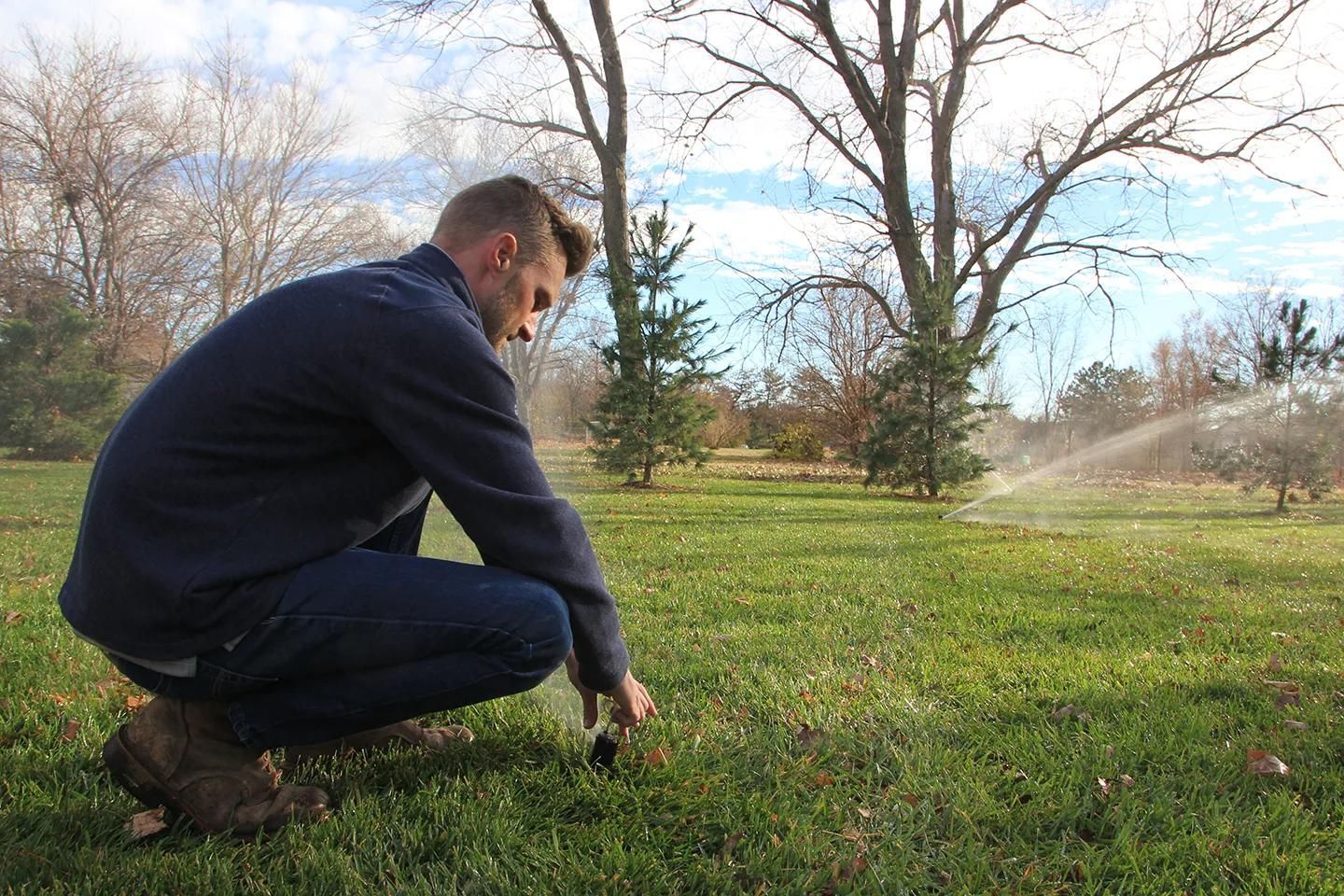
Simply turning off the water isn't always enough. Water can remain trapped inside irrigation pipes, valves, sprinkler heads, and other components.
Depending on the design of your system, water may be removed using one of several methods:
The appropriate method depends on the type and configuration of the irrigation system.
Be Careful With Compressed Air
A compressed-air blowout can be an effective way to remove water from irrigation lines, but it should be performed carefully.
Using excessive air pressure can potentially damage sprinkler components, pipes, valves, or fittings. Different irrigation systems also have different requirements, so the equipment and pressure used should be appropriate for the system.
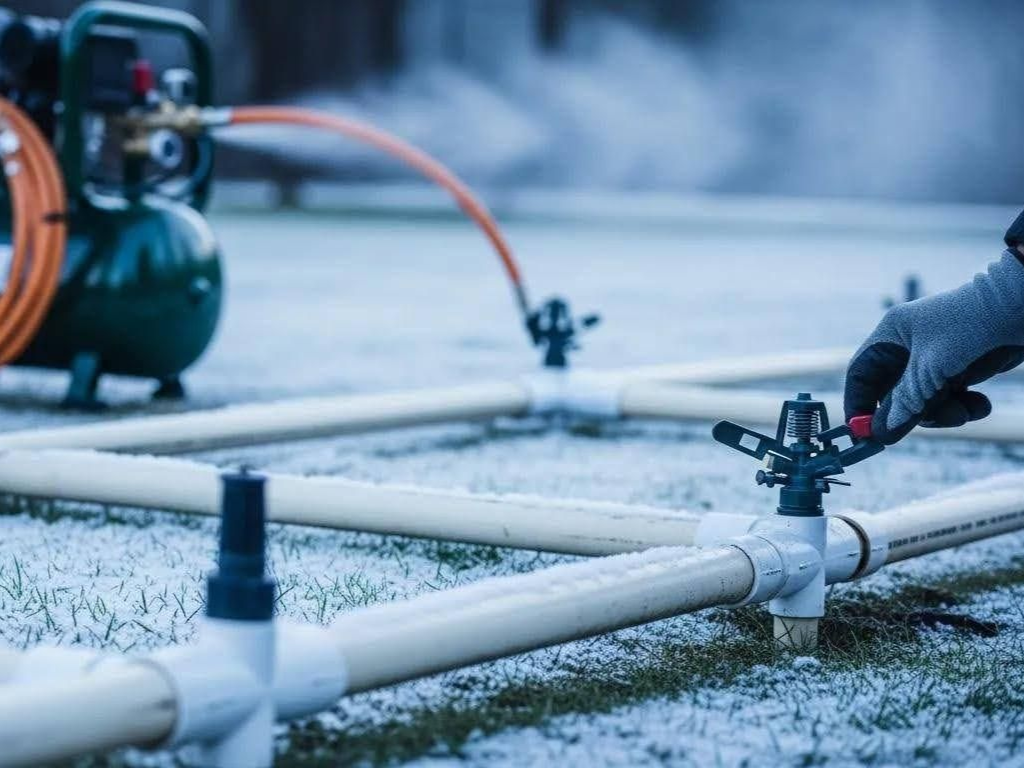
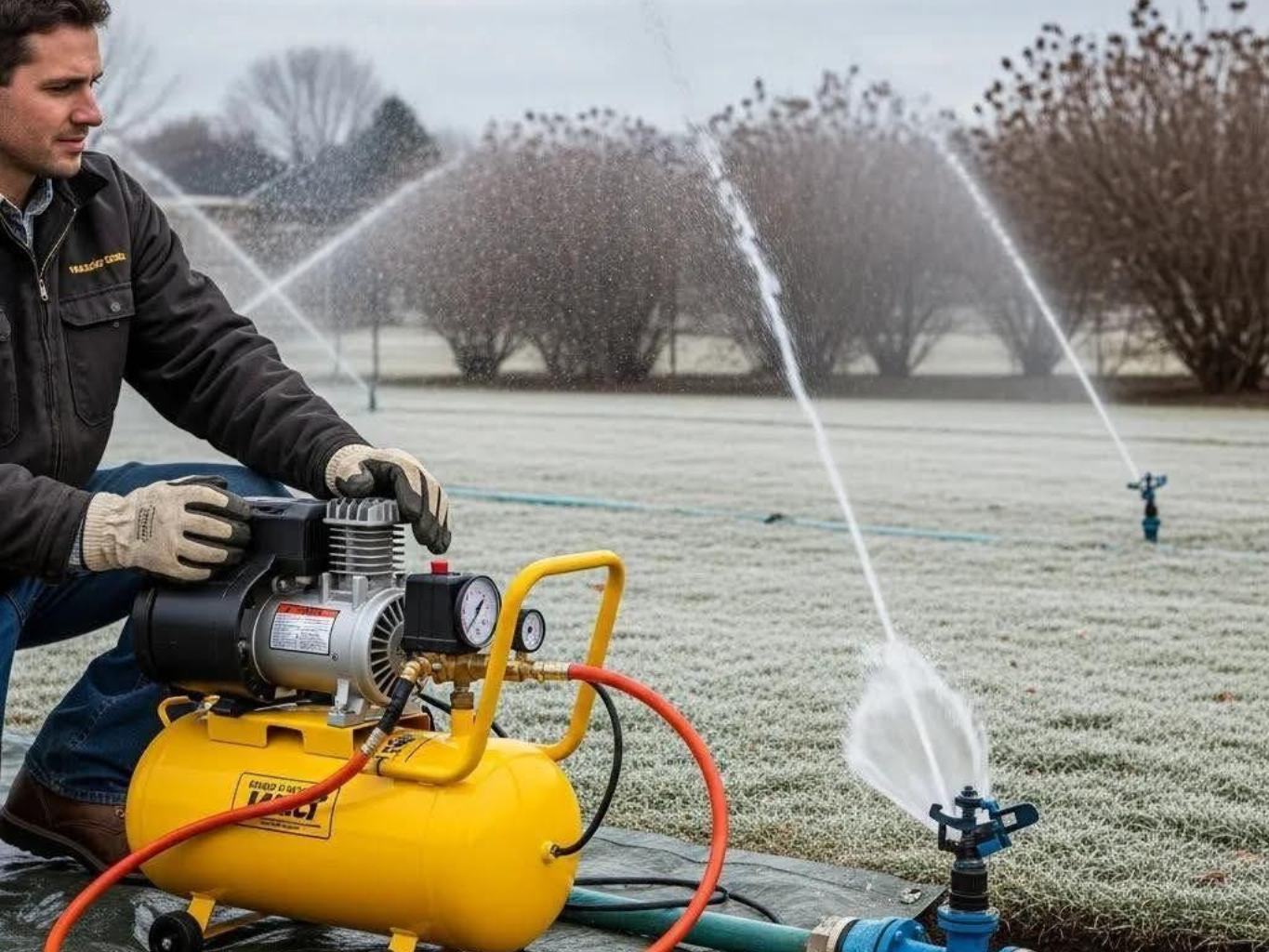
Recommendation: If you are not familiar with irrigation blowout procedures, consider having the system winterized by a qualified professional instead of attempting it yourself.
Protect Backflow Prevention Devices
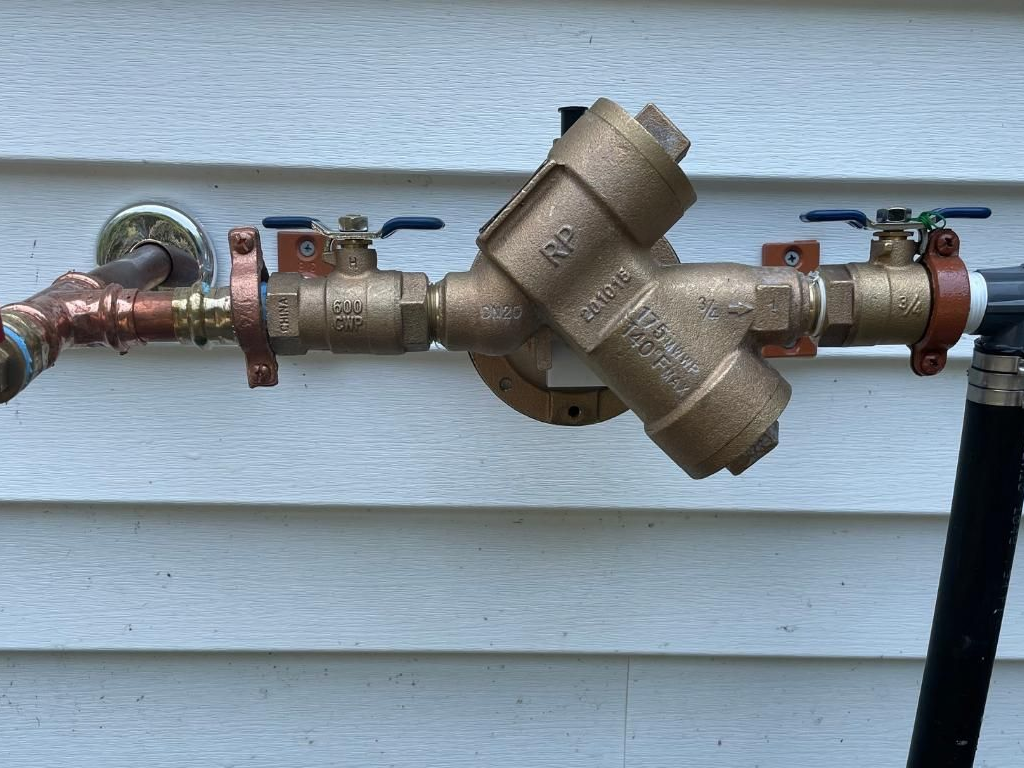
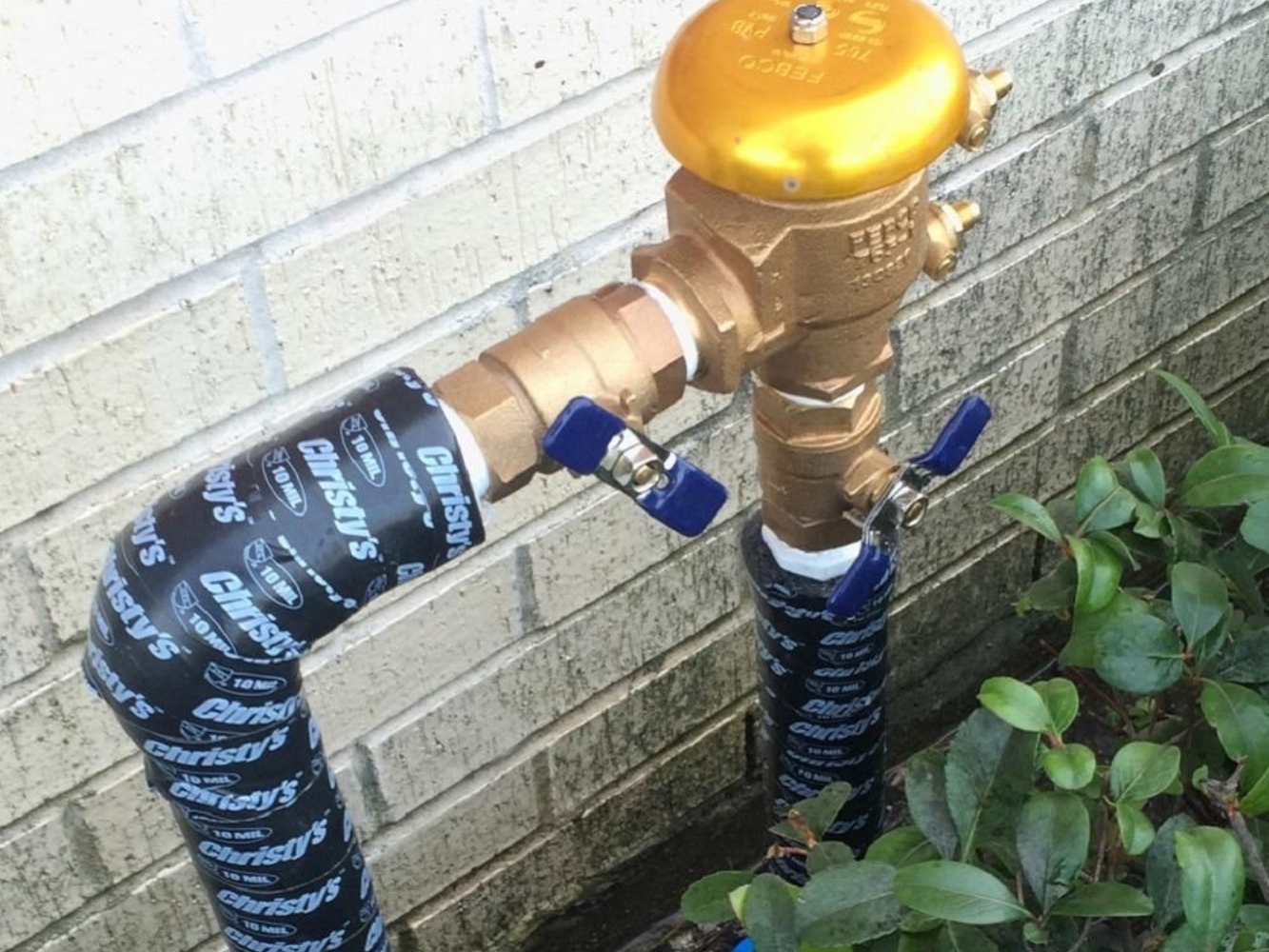
Backflow prevention equipment is another important part of the winterization process.
Depending on the system, the backflow preventer may contain water that needs to be drained or otherwise protected from freezing temperatures.
Because backflow devices can vary significantly by system, homeowners should follow the manufacturer's instructions or have the equipment inspected by a qualified professional.
Shut Down the Irrigation Controller
Once the irrigation system has been properly drained, don't forget about the controller.
Depending on the model, you may be able to place the controller into an OFF, RAIN, or seasonal shutdown mode rather than completely disconnecting it.
This can help preserve programmed settings while preventing the system from activating unnecessarily during the winter.

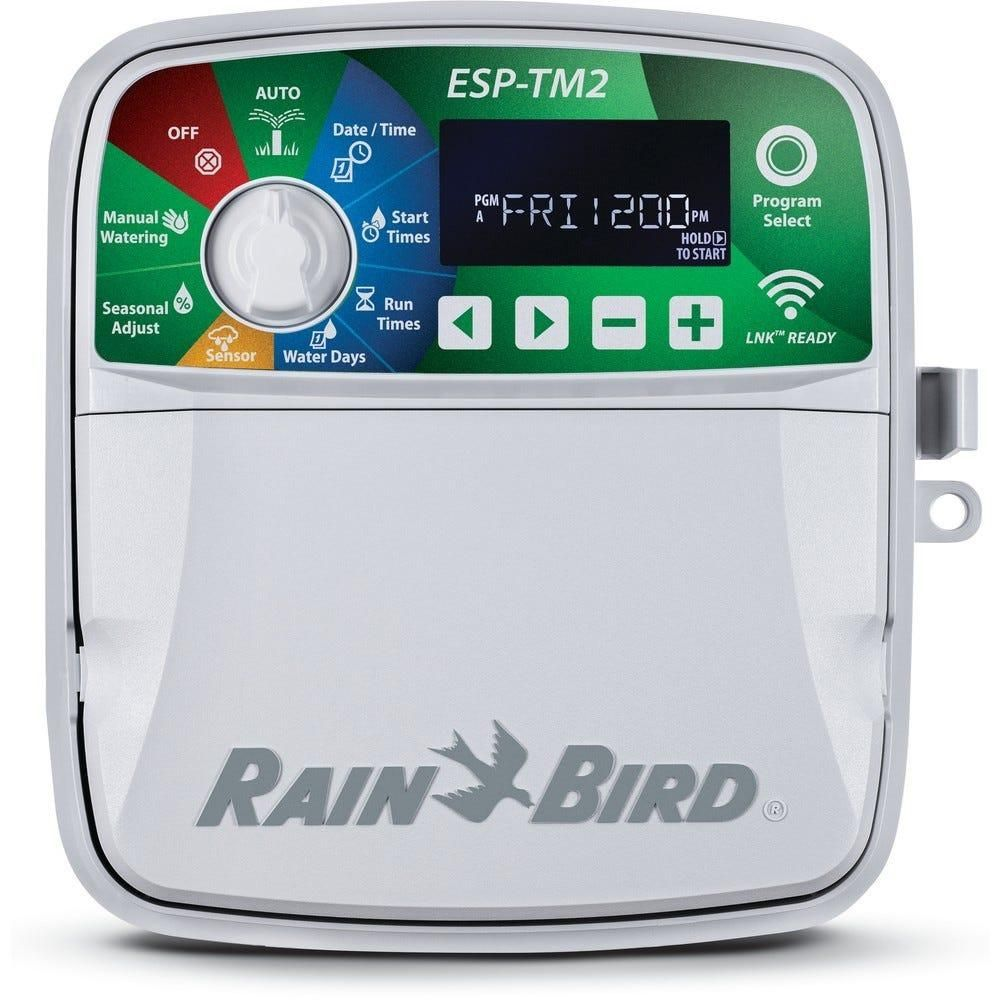
Recommendation: Check the manufacturer's instructions for your specific controller before changing its settings.
Inspect Sprinkler Heads and Exposed Components
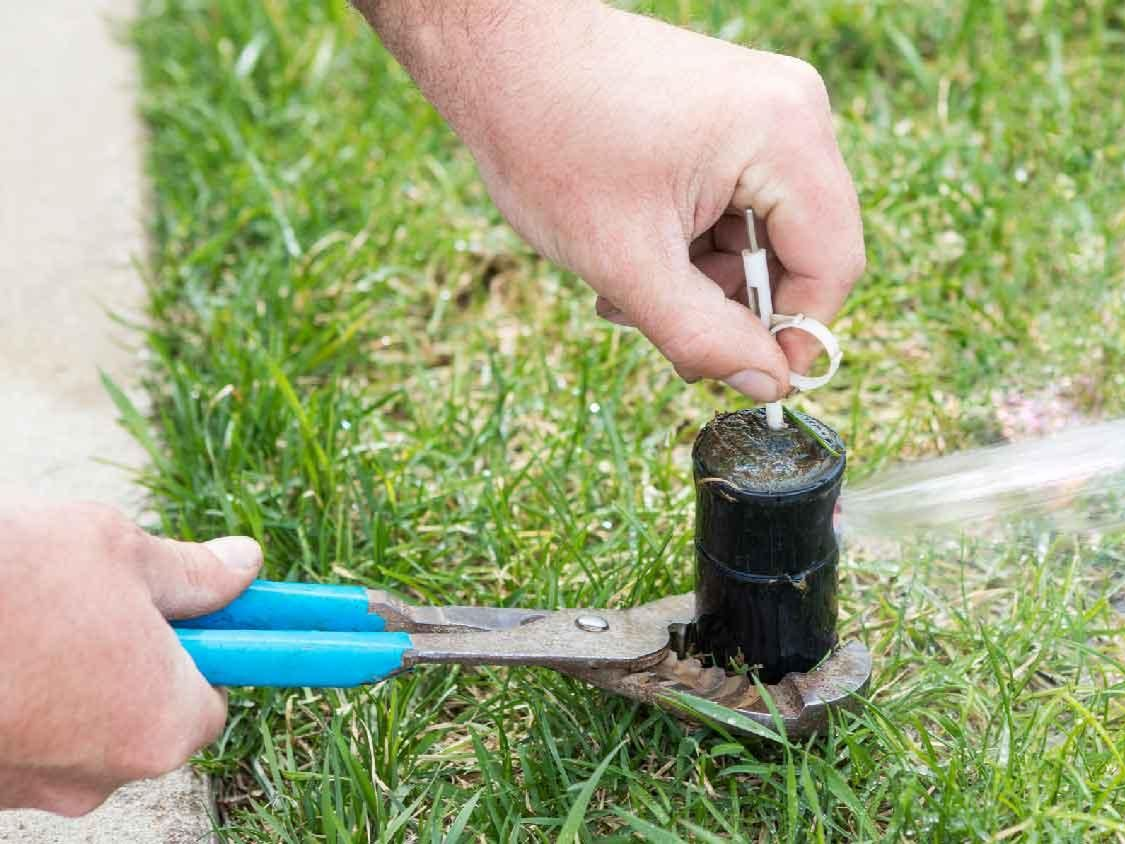
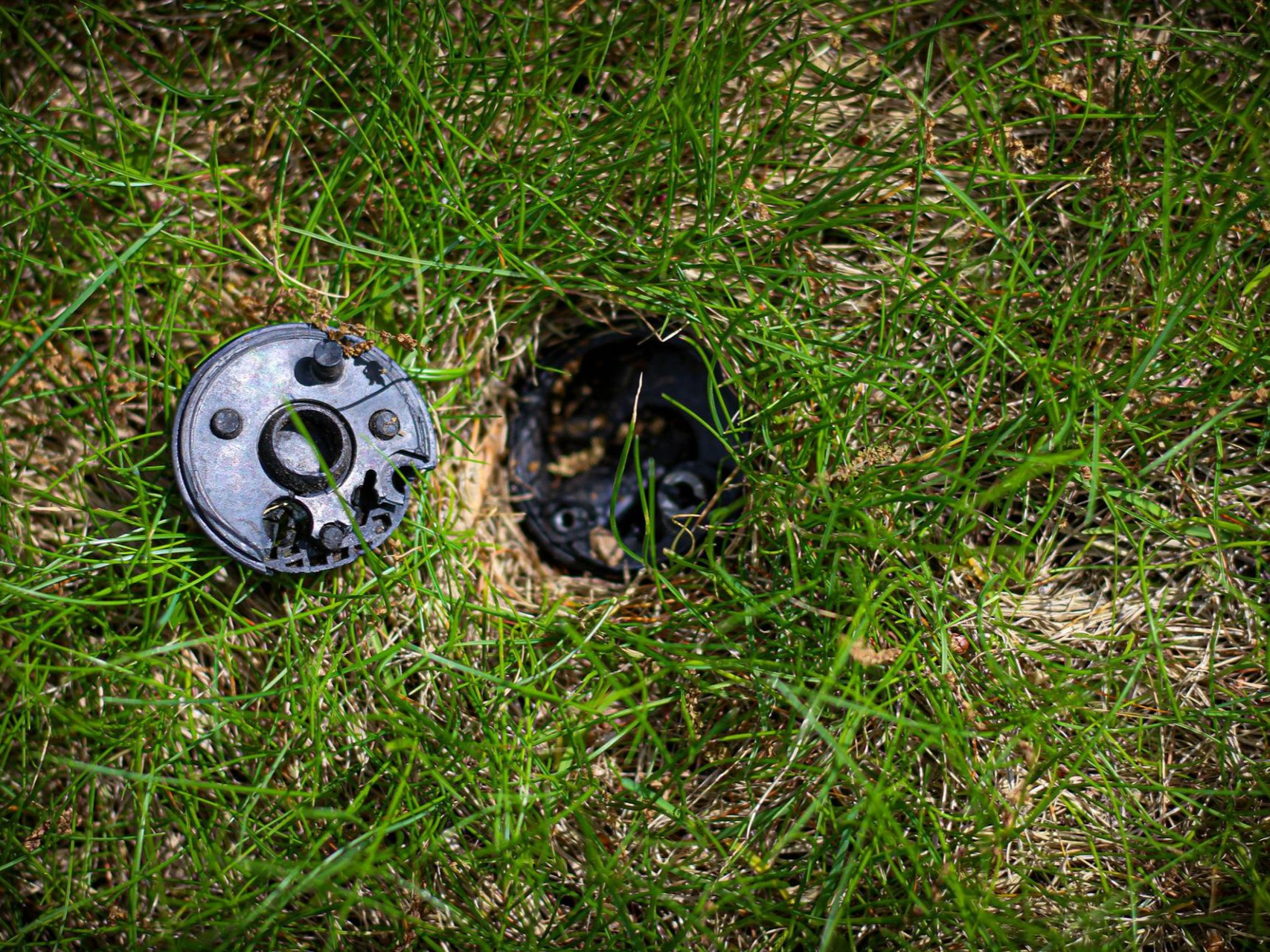
Winter preparation is also a good opportunity to inspect the visible parts of your irrigation system.
Look for:
Addressing these issues before spring can make your system startup much easier.
Don't Forget Your Landscape
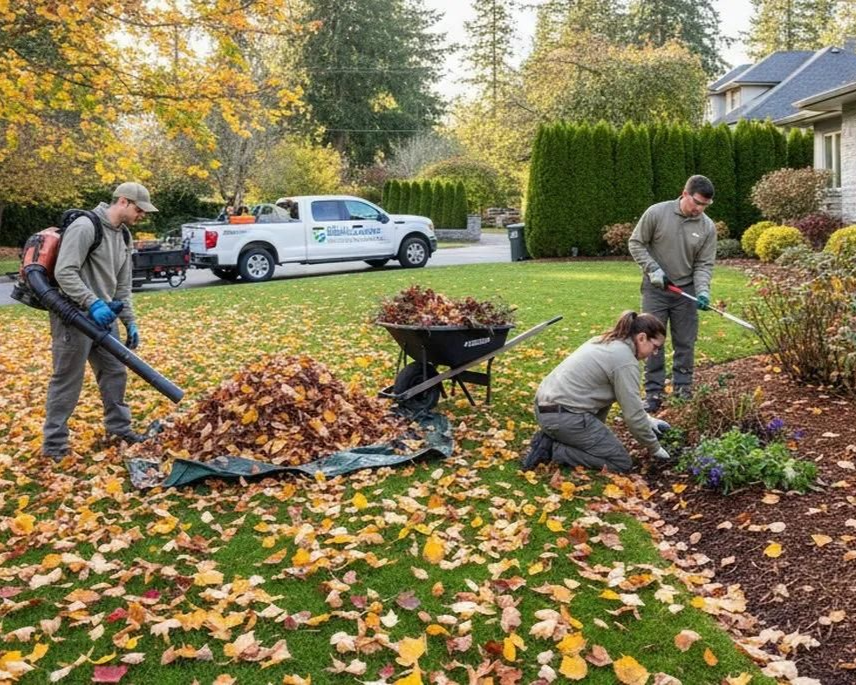
Winterizing your irrigation system is only one part of preparing your property for colder weather.
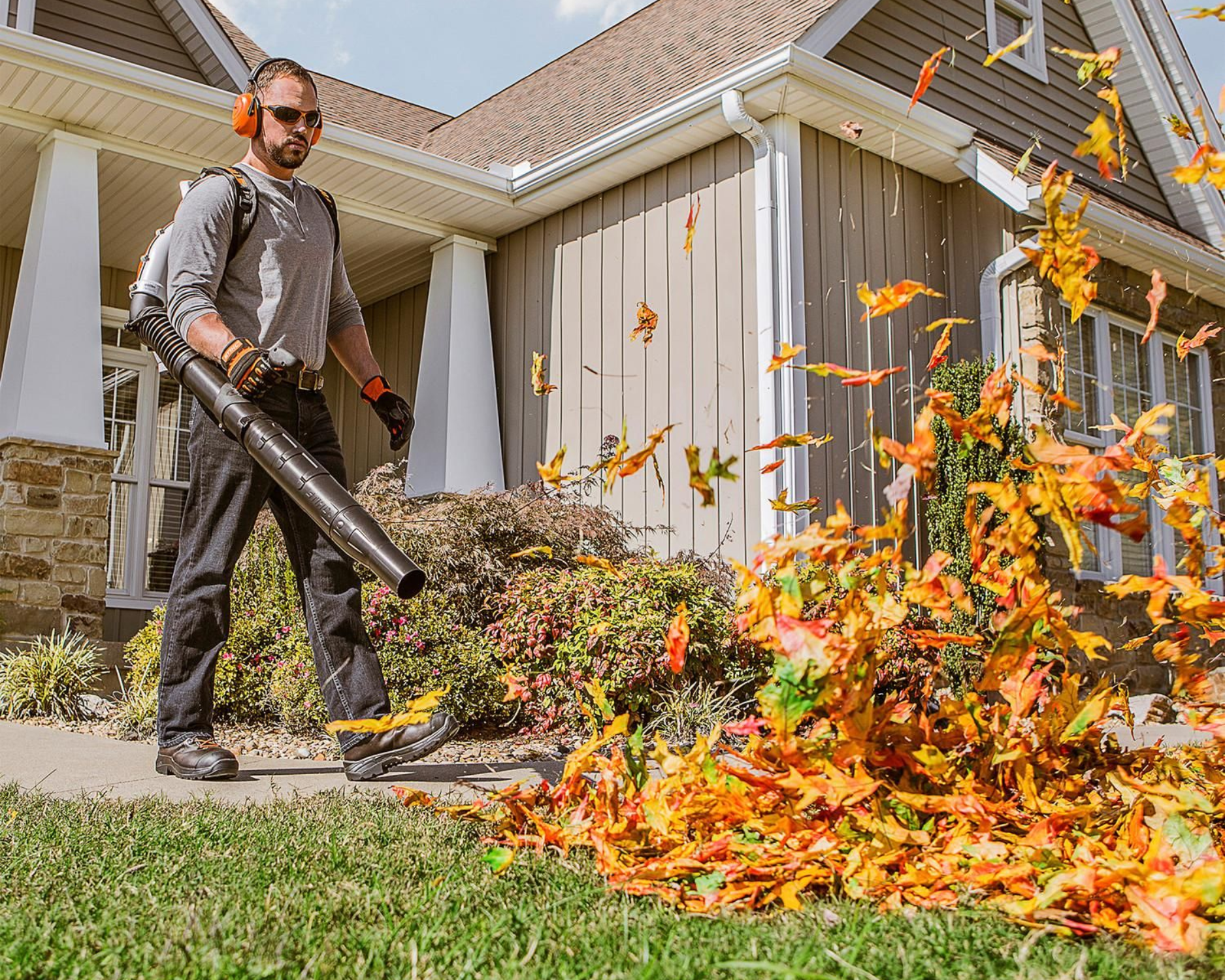
Fall is also an excellent time to take care of other seasonal landscaping tasks, including:
A complete fall cleanup can help your property enter winter in better condition and make spring maintenance easier.
Recommendations From 606 Land & Snow
Before temperatures drop, we recommend creating a simple winter preparation checklist for your property.
Don't wait for the first major freeze. Schedule irrigation winterization early enough to avoid last-minute problems.
Irrigation systems vary. Understand where your shut-off valves, backflow device, controller, and drainage points are located.
If a valve, fitting, or sprinkler head is difficult to operate, avoid forcing it. Damaging the component can create a larger repair.
If you're unfamiliar with your irrigation system or compressed-air blowouts, professional assistance can help reduce the risk of accidental damage.
Fall is an ideal time to address multiple outdoor maintenance needs at once. Pair irrigation preparation with lawn care, trimming, garden cleanup, and other seasonal landscaping services.
Properly preparing your sprinkler system can help reduce the possibility of freeze-related damage and make your irrigation system easier to restart in the spring.
A little preparation before winter can potentially save you from dealing with cracked components, leaks, unexpected repairs, and delayed spring landscaping.
At 606 Land & Snow, our goal is to help homeowners and property managers keep their outdoor spaces maintained throughout the changing seasons.
From lawn care and landscaping to seasonal cleanup and snow removal, we provide services designed to help keep your property looking its best throughout the year.
Winterizing your sprinkler system shouldn't be an afterthought. As fall comes to an end and freezing temperatures approach, taking the proper steps to shut down and protect your irrigation system can help prepare your property for the months ahead.
If you're unsure how to properly winterize your sprinkler system, consider consulting a qualified irrigation professional. And while you're preparing your irrigation system, don't forget the rest of your landscape.
606 Land & Snow can help you prepare your property for the changing seasons with reliable lawn care, landscaping, garden maintenance, seasonal cleanup, and snow removal services.
Choosing
606 Land & Snow means choosing a team that treats your property like their own—carefully, professionally, and with long-term results in mind.
Get your estimate today at 606 Land & Snow
📍 Serving: Chicago & surrounding suburbs • 📞 (773) 257-3147 (773) 917-1102
✉️ info@606landsnow.com
• 🌐 606landsnow.com
Previous blog topics below >>
Spring: A Fresh Start
As the days grow longer and the frost begins to melt, spring is the perfect time to introduce bright, cheerful blooms to your garden. Think tulips, daffodils, and pansies, which thrive in the cool, early spring weather. Add a touch of greenery with ferns and hostas for a balanced look. Opt for pastel-colored planters to enhance the fresh, rejuvenating feel of the season.
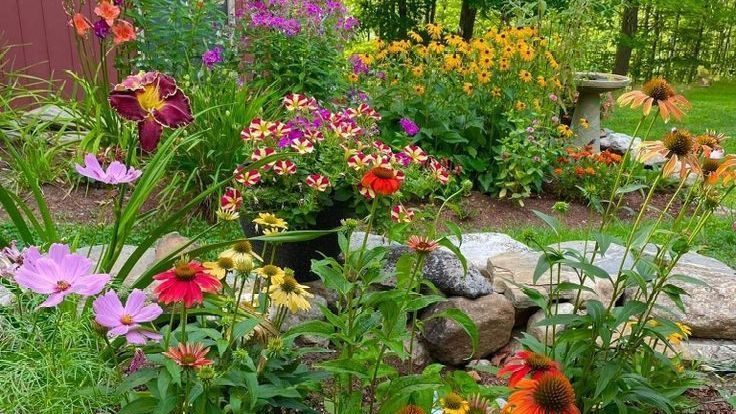
Summer: Vibrant and Full of Life
Summer is all about bold, vibrant colors and lush greenery. Consider planting sun-loving flowers like petunias, marigolds, and geraniums. Pair them with trailing plants like ivy or sweet potato vines to add depth and dimension to your planters. Choose bright, colorful pots to make a statement and capture the energy of summer. Don’t forget to keep your plants well-watered to withstand the summer heat!

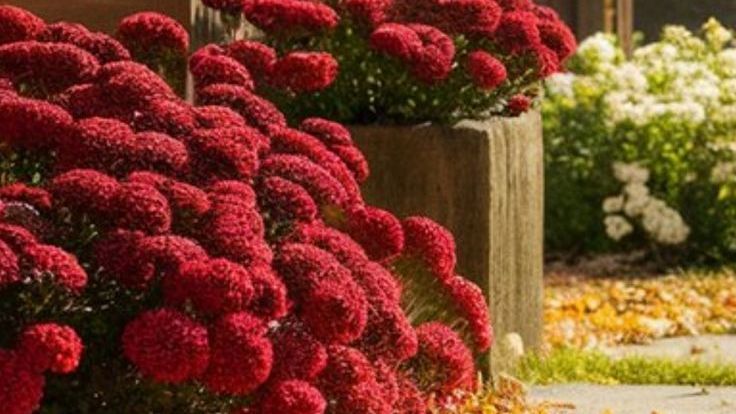
Autumn: Warm and Cozy
As the leaves change and the air turns crisp, embrace the warm, rich hues of autumn. Mums, asters, and ornamental peppers are perfect for fall planters, providing a burst of color that complements the season. Incorporate ornamental grasses for texture and interest. Earth-toned or rustic pots will enhance the cozy, inviting feel of your autumn garden.
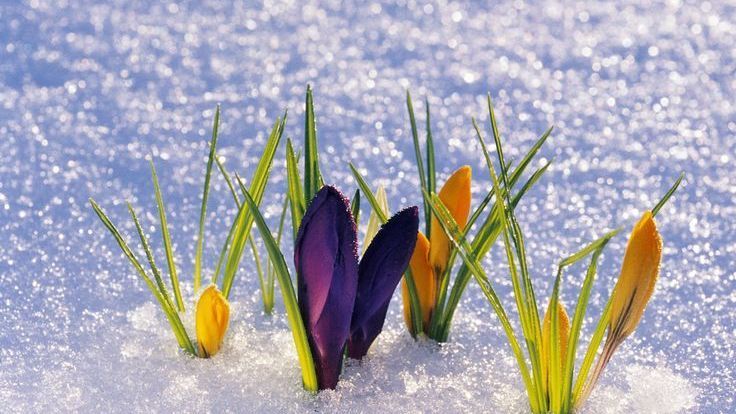
Winter: Elegant and Resilient
Winter doesn’t mean your garden has to look barren. With the right plants, you can create stunning winter planters that add a touch of elegance to the cold months. Consider evergreen plants like dwarf spruce or juniper, which provide year-round greenery. Add winter-blooming flowers like hellebores or winter pansies for a splash of color. Metallic or frosted planters can add a festive touch, perfect for the holiday season.


606 Property Services (formerly 606 Land & Snow) provides reliable property services for homeowners across Chicago and the surrounding suburbs.

Phone
(773) 257-3147

info@606landsnow.com

Service Area
Chicago & Surrounding Areas

Business Hours
Mon-Sunday: 24/7